Best Micro Motors for Drone Flight and DIY Projects
Micro motors power tiny drones and FPV racers, turning compact builds into agile flyers. This guide showcases five top options, covering brushless and brushed designs, to help DIY pilots optimize thrust, efficiency, and control in micro quadcopters and Tiny Whoop systems.
| Product | Brand | KV / Specs | Format |
|---|---|---|---|
| WYanHua 1104 Brushless Micro Motor | Gfpql | 4300KV, 1-2S | Brushless |
| Crazepony Tiny Whoop 19000KV | Crazepony | 19000KV, 1.25mm JST | Brushless |
| YouthRC 8520 Coreless Brushed Motor | YoungRC | Brushed, 8.5x20mm | Brushed |
| Coliao 716 Coreless Motor 19000KV | Coliao | 716 Coreless, 7x16mm, 19000KV | Coreless Brushed (mixed listing) |
| HGLRC Specter 1202.5 11000KV | HGLRC | 11000KV, 1-2S | Brushless |
Choosing the right micro motor depends on your drone size, power system, and flight style. The following sections highlight practical details, compatibility notes, and considerations to weigh when upgrading or building a micro FPV rig.
WYanHua 1104 Brushless Micro Motor

The WYanHua 1104 micro motor is a compact, outer-rotor brushless option suited for indoor FPV mini quads. It supports 1-2S operation with a 4300KV rating, offering high rotation speed relative to motor size. Shaft diameter is 1.5 mm with a 4.8 mm shaft length, contributing to sturdy prop mounting for durable micro builds. This model emphasizes efficiency and quick response, making it suitable for tight spaces and agile flight profiles.
Crazepony 19000KV Tiny Whoop Motor

Crazepony’s 19000KV coreless motors deliver rapid spin-up and strong thrust for Tiny Whoop setups. They come with a 1.25 mm JST plug, which aligns well with Inductrix FC and similar flight controllers. Key dimensions include a 0.8 mm shaft diameter, 6 mm motor diameter, and 15 mm motor length, with a 56 mm cable length. These motors are designed for high performance in micro FPV racing and indoor flights where compact form factors matter.
YoungRC 8520 Coreless Brushed Motor

The YoungRC 8520 brushed motor set provides a robust option for micro QX95 and related quad configurations. With dimensions of 8.5×20 mm and a 1.0 mm shaft, these motors deliver dependable thrust and straightforward compatibility for brushed micro builds. A 60 mm cable adds a convenient wiring length for compact layouts, helping maintain clean, lightweight frames in entry-level or experimental drones.
Coliao 716 Coreless Motor 19000KV

Coliao’s 716 Coreless motor line emphasizes efficiency and power for tiny quadcopters. With a 7 mm diameter and 16 mm length, the 19000KV brushed motor variant provides rapid speed and strong power output suitable for micro FPV Tiny Whoop drones. Its compatibility with JST-1.25 connectors simplifies integration for many micro flight controllers and flight stacks, enabling quick upgrades or builds.
HGLRC Specter 1202.5 11000KV Brushless Motor
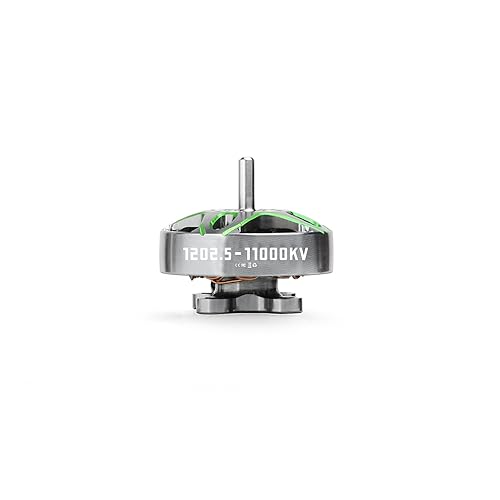
The HGLRC Specter 1202.5 uses a compact 15.84 x 8.9 mm footprint with 11000KV, designed for micro Whoop and toothpick drones. Supplied with 80 mm wire and no plug, it favors slim builds where minimal payload is crucial. This motor is optimized for high RPM and responsive control on 1-2S lithium-polymer packs, making it a strong choice for nimble indoor flights.
Buying Guide
- Motor type: Brushless motors offer higher efficiency and longer life for micro quads, while brushed motors can be simpler and cheaper for beginners. Choose based on your build goals and maintenance willingness.
- KV value: Higher KV yields faster spin-up and more aggressive throttle response but reduces efficiency at given voltage. Lower KV improves stability and battery life on longer flights.
- Voltage compatibility: Ensure the motor voltage range matches your battery (commonly 1-2S for micro drones). Mismatches can reduce performance or damage components.
- Size and weight: Micro motors come in various diameters and lengths (e.g., 7×16 mm, 8.5×20 mm, 1104). Align motor size with propeller choice and frame space to avoid binding or vibration.
- Shaft and mounting: Shaft diameter and length affect prop adapters and dampening. Check compatibility with prop nuts, washers, and prop guards if used.
- Connector type: JST, JST-1.25, or direct-wire configurations influence how easily motors integrate with flight controllers and power systems. Have compatible connectors or adapters on hand.
- Power and runtime: Higher KV motors demand more current; ensure your ESCs, batteries, and wiring can handle peak draw. This helps prevent voltage dips and thermal issues.
- Durability: Outer-rotor designs and robust windings improve resilience in crashes typical of micro drones. Consider bearings and shaft quality for longevity.
- Flight style: For indoor racing and tiny indoor flyers, prioritize rapid throttle response and compact form. For stability-focused flights, a lower KV with efficient gearing can be advantageous.
- Compatibility checks: Confirm motor mounting holes, shaft size, and propeller compatibility with your frame and props to avoid fitment issues.