Best Micro Camera for Drone: Top FPV Cameras for Tiny Whoops and Mini Drones
The rapid growth of micro drones and whoops has made compact FPV cameras a critical component for performance. This guide highlights five high-performing micro cameras, describing their features, compatibility, and ideal use cases to help you choose the right option for racing, freestyle, or daylight flights.
Overview of selected products:
| Product | Brand | Key Features |
|---|---|---|
| WT05 Micro AIO Camera Combo | Wolfwhoop | 3.4g weight, 600TVL, 5.8GHz 25mW transmitter, dipole antenna, channel switching via button |
| RunCam Phoenix 2 SPV5 Micro Camera | RunCam | 1000TVL, 1/2″ sensor, 160° FOV, global WDR, replaceable lens hood |
| AKK BA3 Micro AIO FPV | AKK | All-in-one camera, transmitter, and brass dipole, 4.7g total, 25/50/200mW switchable |
| WT03 Micro FPV AIO | Wolfwhoop | 600TVL, 5.8G, 25/50/200mW, Cloverleaf antenna, ultra-light |
| STARDRONE 1200TVL FPV Camera | STARDRONE | 2.5g weight, 1.8mm lens, 160° FOV, PAL/NTSC |
Wolfwhoop WT05 Micro AIO FPV Camera Combo
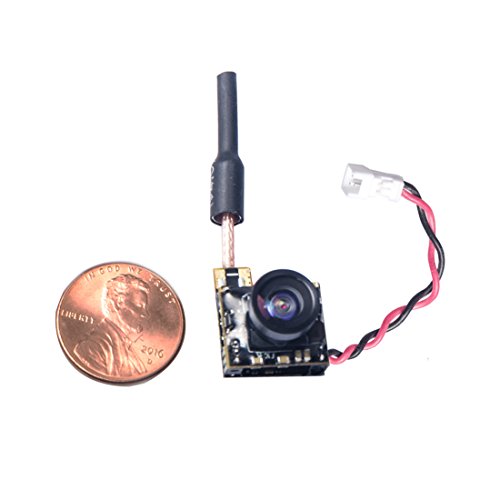
The WT05 is designed for ultra-light micro quads used in racing and freestyle. It weighs about 3.4 grams and combines a micro camera with a 5.8GHz transmitter. It supports 1S LiPo power and uses button-based channel switching for quick changes during races. Its compact form simplifies installation on tight airframes while maintaining adequate image clarity for fast action.
RunCam Phoenix 2 SPV5 Micro Drone Camera

The Phoenix 2 SPV5 Special Edition offers a high-resolution 1000TVL sensor, wide 160° FOV, and global WDR. It features a durable sandwich-style back cover to resist dust and short circuits, extending its life in demanding FPV sessions. The included replaceable lens hood reduces glare and provides added protection for the lens, making it suitable for outdoor flying and mixed lighting conditions.
AKK BA3 5.8G Micro AIO FPV Camera And Transmitter

The AKK BA3 integrates a camera, transmitter, and brass dipole antenna in one ultra-compact module (about 4.7g). It offers switchable output power at 25/50/200mW, compatible with 5.8GHz goggles and monitors. It requires a 1S LiPo battery and targets micro and Nano-class drones, providing a simple all-in-one solution for tight builds.
Wolfwhoop WT03 Micro FPV AIO Camera
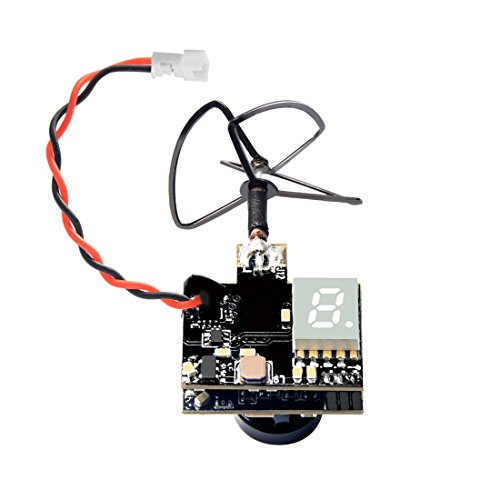
The WT03 is another ultra-light option from Wolfwhoop, featuring a 600TVL sensor and 5.8G transmitter with 25/50/200mW output. It uses a Cloverleaf antenna and is geared toward mini aircraft and micro quads. Its plug-and-play design supports quick integration and ready-to-fly setups for enthusiasts building DIY frames.
STARDRONE 1200TVL FPV Camera

The STARDRONE camera offers 1200TVL resolution in a micro form with a 1.8mm lens and an ultra-wide 160° FOV. It is designed to maintain sharp visuals during high-speed maneuvers and tight indoor flights. The 2.5g weight adds negligible load to micro drones, preserving flight performance while delivering clear imagery for pilots navigating complex environments.
Buying Guide: Key Purchase Considerations For Micro Cameras
- Weight and form factor: For micro quads, every gram matters. Look for cameras under 5g with integrated transmitters if possible to minimize airframe impact and balance.
- Resolution and low-light performance: Higher TVL values and WDR help in fast, high-contrast environments. Global WDR improves image consistency across lighting changes.
- Field of view (FOV) and lens: A wide FOV (around 150°–160°) helps with situational awareness in freestyle and racing. Lens hood or anti-glare features protect the image in bright conditions.
- Power and compatibility: Confirm required battery type (often 1S LiPo) and whether the camera is a standalone unit or an all-in-one (AIO) camera/transmitter. Check transmitter power options (25/50/200mW) for range needs and local regulations.
- Durability and design: A dust-proof back cover and robust assembly reduce wear in rough flight environments. Replaceable lenses or modular components can extend longevity.
- Installation fit: Measure mounting thickness and frame clearance. Some cameras are designed for tiny whoops and micro quads, while others emphasize modular components for DIY builds.
- Compatibility with goggles/receivers: Ensure 5.8GHz compatibility with your FPV goggles and receiver setup to avoid signal loss or interference.
- Price-to-performance: For beginners, mid-range cameras with solid WDR and reliable image quality provide value. For racers, prioritizing weight, agility, and channel switching speed matters more.
Performance Comparisons
- Ultra-light, integrated systems (AIO): Simplify builds and reduce wiring, ideal for tiny whoops and beginners seeking plug-and-fly setups.
- High-resolution micro cameras: Offer crisper imagery and better win-rate potential in fast races, with careful attention to weight trade-offs.
- Durability features: Back covers, dust resistance, and replaceable components improve reliability in outdoor environments.
- Power options: Transmitter output influence range and interference; choose watts based on local regulations and flight needs.
The right micro camera depends on your quad’s weight, frame size, and flying style. For racing and tight indoor tracks, an ultra-light AIO with a robust hood and stable transmission can maximize maneuverability. For freestyle and daylight flights, higher TVL and a wide FOV can improve obstacle detection and line-of-sight performance. Consider both short-term costs and long-term durability when selecting a camera for a micro drone project.