Best Electric Planer for Wood: Top Models for Precise Planing
Choosing the right electric planer can save time and improve finish quality on woodworking projects. This guide highlights five highly capable models, comparing power, cutting width, depth adjustments, and handy features to help you select the best planer for your shop. Each option balances performance with user-friendly design, making it easier to tackle boards, trim doors, or create clean chamfers.
| Product | Brand | Notable Feature |
|---|---|---|
| WEN 6530 6-Amp | WEN | Up to 34,000 cuts/min, 3-1/4″ width, rabbet guide |
| WEN 6534 8-Amp | WEN | 32,000 cuts/min, 4-3/8″ width, deep cutting range |
| SKIL PL201201 | Skil | Dual chip exhaust, precise depth stops, safe startup |
| Craftsman 6 Amp | Craftsman | 11.5″ aluminum shoe, smooth cuts, solid performance |
| DNTI 6.6 Amp | DNTI | High power, strong build, versatile 3-1/4″ width |
WEN 6530 6-Amp Electric Hand Planer, 3-1/4-Inch
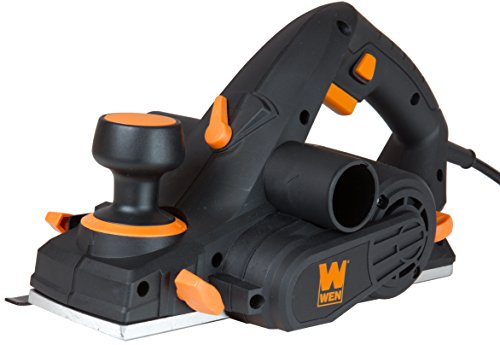
The WEN 6530 combines compact ergonomics with a robust 6-amp motor, delivering up to 34,000 cuts per minute. Its 3-1/4-inch width supports standard planing tasks on boards and doors, while 16 positive-depth stops allow precise adjustments from 0 to 1/8 inch. The included rabbeting guide enables rabbets up to 1 inch, increasing versatility for joinery and edge shaping. A lightweight design reduces user fatigue for longer sessions, and the tool’s overall balance helps maintain flat, consistent surfaces.
Users benefit from simple depth control, a dependable kickstand, and straightforward maintenance. The planer is suitable for hobbyists upgrading from a manual plane or DIYers addressing common stock preparation tasks. As with any corded tool, ensuring a stable power supply and proper dust collection improves performance and keeps the workspace cleaner over time.
WEN 6534 8-Amp Electric Hand Planer, 4-3/8-Inch
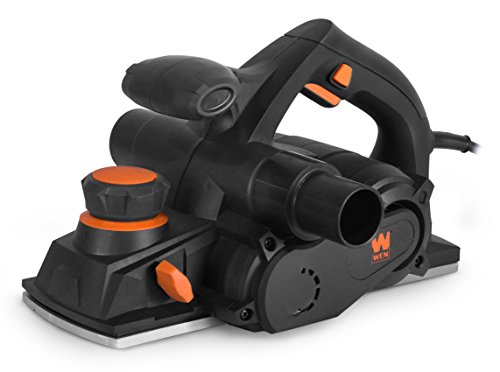
The WEN 6534 expands your capabilities with an 8-amp motor and a wider 4-3/8-inch cutting width, making it well-suited for deeper stock removal and fast prep work on 2x4s or 4x4s. It maintains a high 32,000 cuts per minute, offering strong performance for heavier tasks while keeping balance and control. Like the 6530, it provides 16 positive stops for depth adjustment (0 to 1/8 inch), allowing precise, repeatable results. The additional cutting width reduces the number of passes when handling larger boards.
Designed to handle mid- to larger-scale projects, the 6534 is attractive for users who frequently work with dimensional lumber. Its weight is managed to keep maneuverability reasonable, and the extended base surface helps maintain stability during planing. When paired with a dust collection setup, it helps maintain a cleaner workshop and clearer visibility for accuracy-focused work.
SKIL 6.5 Amp Electric 3-1/4 Inch Planer

The SKIL PL201201 emphasizes precision and user safety, featuring dual chip exhaust to keep the work area clear of sawdust for better visibility during cuts. The smooth kickstand helps prevent blade scratches on finished surfaces, while integrated wrench storage keeps essential tools accessible on the job site. A lock-off switch enhances safety by preventing accidental startups, making it suitable for beginners and seasoned woodworkers alike. The 3-1/4-inch width provides adequate reach for typical stock plans without sacrificing control.
For projects that require consistent, clean results, the SKIL planer offers dependable performance with thoughtful design elements. While not the most powerful option, it benefits users prioritizing twice-weekly tasks and compact tool profiles. Pairing with a dust collection solution can optimize outcomes and reduce cleanup time after long sessions of planing and edge shaping.
Electric Handheld Planer (6 Amp)

The Craftsman 6 Amp cordless-compatibility and built-in durability deliver solid performance for everyday woodworking tasks. It offers a smooth cut with a heavy-duty 6-amp motor and a no-load speed around 16,500 RPM, enabling fast material removal. The 11.5-inch aluminum shoe adds stability and helps achieve consistent finishes across wide stock. This model is well-suited for door edges, live edges, and smaller cabinet tweaks where precise, controlled passes are essential.
As with most planers in this category, balancing power with control is key. The Craftsman design emphasizes a comfortable grip and predictable depth control, reducing the likelihood of gouges on delicate surfaces. It pairs well with dust extraction setups to maximize visibility and cut quality during extended sessions, and its reliability makes it a favorable option for hobbyists and DIY enthusiasts looking for straightforward operation without sacrificing performance.
DNTI 6.6 Amp Corded Electric Handheld Planer

The DNTI 6.6-amp planer is positioned as a robust option for serious woodworkers seeking strong stock removal with consistent results. It provides a 3-1/4-inch width similar to the entry-level models, enabling efficient planing of typical boards. The product description highlights its sturdy construction and power delivery designed to handle tougher jobs, making it suitable for more demanding shop tasks where reliability and speed are prioritized. Users should consider this model for larger projects or frequent planing sessions that require steady performance over time.
Across these five models, users will find a range of power levels, cutting widths, and feature sets. The WEN options emphasize higher RPM and wider stock removal, while the SKIL, Craftsman, and DNTI choices balance safety, ease of use, and practical depth control. When selecting a planer, consider stock size, frequency of use, dust management, and required surface finish to identify the best match for your workshop needs.
Buying Guide
Key purchase considerations for an electric planer include power, cutting width, and depth range. A higher amperage motor generally translates to faster stock removal and better performance on thicker stock, but weight and ergonomics matter for extended use. Consider the maximum planing width you need: 2-3/8″ planers are lighter and adequate for small projects, while 3-1/4″ to 4-3/8″ widths reduce the number of passes on larger boards.
Depth adjustment accuracy and positive stops are important for repeatable results. Look for at least 16 positive stops, with a clear scale and a comfortable lever or dial. Dust management is a practical factor: dual exhausts, a built-in dust chute, or compatibility with a dust collection system helps maintain visibility and finish quality. A kickstand or machined shoe improves surface protection and control, especially on delicate edges.
Safety features should not be underestimated. Lock-off switches prevent unintended starts, and a sturdy handle with balanced weight distribution reduces user fatigue. If you plan to work with dimensional lumber, a wider planing width and more aggressive stock-removal capability can save time. Finally, consider corded versus cordless options; cordless models offer flexibility but may have limited runtime and require battery management.
Performance expectations vary by brand and model, but all five options above deliver solid planing capability for common woodworking tasks. For beginners, prioritize safety features, a lower weight, and easier depth control. For seasoned woodworkers, a higher RPM, wider planing width, and robust dust management can provide greater efficiency on tough projects. Always use appropriate PPE and maintain your tool according to the manufacturer’s instructions to extend its life and maintain cutting quality.