Best FAA RID Drone Modules for Real-Time Remote ID Compliance and Tracking
As drone regulations tighten, FAA-compliant remote ID modules have become essential for pilots who want reliable, legal flight. This guide highlights five RID modules that integrate with popular drones, delivering GPS tracking, buzzers, strobes, and long battery life. Each option is designed to help you stay compliant while maintaining visibility and safety during flights. Read on to compare features, installation considerations, and how to choose the right module for your gear and flying style.
| Product | Brand | Key Features |
|---|---|---|
| Ruko R111S RID Module | Ruko Store | Upgraded beeper, dual positioning, FAA compliant, wide model compatibility |
| Holyton RID Module (GPS Drones) | Holyton Store | FAA compliance, long battery life, broad compatibility |
| Holyton RID Module with Buzzer & Strobe | Holyton Store | Built-in buzzer, customizable strobe, IP54, outdoor-ready |
| Potensic RID Broadcast Module | Potensic Store | Safety charging, FAA compliance, wide drone compatibility |
| Holy Stone RID Module | Holy Stone Store | Buzzer, strobe, IP54, reliable outdoor use |
Ruko R111S RID Module

The R111S RID module combines a built‑in upgraded beacon with dual positioning support, enabling real‑time tracking within 500–1000 meters. It’s designed to help locate a missing aircraft quickly, offering an added safety layer for FPV drones, RC aircraft, and multirotors. This module is FAA compliant for drones over 250 g and is compatible with a wide range of brands and models beyond Ruko, including DJI’s Mini series and other popular flyers. Its compact form fits many airframes without adding excessive weight.
Features emphasize safety and reliability: a beeper helps locate a drone in tough spots; precise real‑time tracking with app integration; broad compatibility with numerous drone families; and compliance messaging for FAA requirements. Installation considerations include ensuring the module fits within airframe weight limits and that the app pairing remains stable during flight. Operators should verify firmware compatibility with their specific drone model before use.
Holyton FAA Compliant RID Module (GPS Drones)

This Holyton RID module focuses on long‑duration operation and broad drone compatibility. It emphasizes FAA compliance for GPS drones and serves as a practical spare part for FPV drones and RC aircraft. The design targets outdoor use and compatibility with a wide range of popular models, helping pilots meet regulatory requirements while maintaining reliable tracking and signaling features. Battery life claims around five hours make it suitable for longer sessions and complex flight tests.
Key considerations include ensuring the module’s radio, GPS, and app interfaces remain synchronized during flight and that the unit remains weather‑resistant in real‑world environments. Prospective buyers should evaluate whether their drone’s weight and balance permit integration without adversely affecting flight performance. The product claims broad compatibility, but pilots should confirm support for their exact model before purchasing.
Holyton RID Module With Buzzer & Strobe
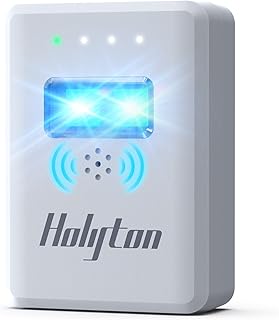
This Holyton model combines a buzzer and a bright strobe for enhanced night and low‑visibility flights. It is positioned as a versatile RID module suitable for FPV and other GPS drones, with an IP54 rating to tolerate dust and splashes. The built‑in buzzer helps locate the drone quickly, while the strobe lighting improves daytime visibility against varied backdrops. The module supports a range of popular drone platforms, emphasizing safe outdoor operation and regulatory compliance.
Buyers should consider the module’s installation footprint and whether the airframe can handle the added weight without impacting handling. The customizable strobe options via the companion app can support user preferences, but potential users should verify app compatibility with their firmware and mobile device. This module suits pilots seeking an all‑in‑one RID solution with signaling features for safer flights.
Potensic FAA Compliant RID Broadcast Module

Potensic’s RID module emphasizes safe charging practices and FAA compliance for drones heavier than 250 g. It is designed to work across multiple models beyond Potensic’s own lineup, including several 4K and advanced camera drones. The product highlights a secure Type‑C charging approach with overcharge protection, aiming to minimize charging hazards during field use. The module’s compatibility extends to many drones with cameras and GPS capabilities, ensuring pilots can maintain compliant operation during more demanding flights.
When evaluating this option, pilots should assess charging habits, charging equipment availability in field setups, and whether the regulator’s requirements align with their drone’s mass and flight envelope. The compatibility statement suggests broad support, but exact model checks ensure full interoperability with the user’s fleet and firmware version.
Holy Stone FAA Compliant RID Module

The Holy Stone RID module is positioned as a straightforward, compliant option for a range of drones over 250 g. It replaces bulkier add‑on RID units, enabling legal flight across popular models, including FPV configurations and widely used quadcopters. The built‑in buzzer and strobe provide locating signals and visibility enhancements, while the IP54 rating supports durability in outdoor environments. This module aims to balance ease of use with regulator compliance for everyday pilots and hobbyists.
Potential buyers should verify the exact model compatibility with their drone, particularly for devices that vary in mounting points or power supply. The combination of signaling features and a robust housing can help reduce setup time and allow pilots to fly with confidence in regulated airspace, especially on longer outdoor sessions where quick location tools are beneficial.
Buying Guide
- Regulatory compliance: Confirm that the RID module explicitly satisfies FAA requirements for your drone’s weight class (generally over 250 g). Check whether the module requires additional app registration or account linking.
- Compatibility: Verify compatibility with your drone brand and model. While many RID modules advertise broad support, exact firmware and mounting constraints can vary by airframe.
- Power and endurance: Consider battery life and charging safety features. Longer battery life supports extended flights, while safe charging helps prevent field hazards.
- Signaling features: A buzzer improves locate‑ability; a strobe enhances visibility in poor light. Decide which features matter most for your typical flying conditions and night operations.
- Size, weight, and mounting: Ensure the module’s dimensions and weight fit your drone’s balance and payload limits. Some models may require adapters or specific mounts.
- App and firmware: Assess app reliability, user interface, and how well the module’s data integrates with aircraft telemetry. Regular firmware updates are a plus for longevity and compatibility.
- Durability and weather resistance: Look for IP ratings (such as IP54) to judge dust and splash resistance, especially for outdoor environments and exposure to elements.
- Repairability and spare parts: Consider the availability of spare parts, replacement labeling, and customer support in case of field issues or warranty needs.
- Budget and value: Compare features against price. Modules offering combined signaling (buzzer, strobe) and robust GPS tracking generally provide better usability for frequent flyers.
In choosing the right RID module, balance regulatory compliance with practical flight needs, including airframe compatibility, endurance, and signal clarity. Pilots should review installation manuals, verify app compatibility with their devices, and perform thorough pre‑flight checks to ensure the module is functioning correctly before takeoff. This approach supports safe, legal operation across outdoor environments and diverse drone configurations.