Best Wrist-Watch Controlled Drones With Cameras
The following selection highlights drones that integrate wrist or wearable-style control options and strong camera features. Each model combines portability, camera quality, and intuitive control for both beginners and enthusiasts. Below, you’ll find concise overviews, key features, and a buying guide to help compare options side by side.
| Product | Brand | Key Features | What It’s Best For |
|---|---|---|---|
| DJI Neo 2 (Drone Only) | DJI | Palm Takeoff & Landing, Gesture Control, ActiveTrack, 4K Camera | Hands-free operation and reliable subject tracking |
| DJI Neo 2 Fly More Combo | DJI | Gesture Control, ActiveTrack, Omnidirectional Sensing, 3 Batteries | Extended flight time and versatile tracking |
| PLEGBLE GPS Drones With Camera 4K | PLEGBLE | 46 Mins Flight, 4K Camera, GPS Auto Return, Foldable | Long flights and beginner-friendly GPS features |
| Drone With Wrist Watch Controller | YBNQRIG | 25M Wireless Wrist Control, GPS Location Data | Wrist-based camera control on the go |
| ScharkSpark 4K GPS Drone | ScharkSpark | 60 Minutes, 4K Camera, 4.5” LCD Remote | Beginner-friendly with built-in display |
DJI Neo 2 (Drone Only) Review

DJI’s Neo 2 offers a lightweight, portable design weighing about 151g with safety-oriented propeller guards. It supports palm takeoff and landing for intuitive starts and stops, and gesture controls enable hands-free operation. The drone’s ActiveTrack technology helps keep subjects in frame during dynamic flight, and Apple Watch compatibility allows live feed viewing, flight status checks, and voice-controlled tracking adjustments. This combination makes it a solid option for casual flyers seeking simple, reliable operation with a high-quality camera experience.
DJI Neo 2 Fly More Combo

The Fly More package extends flight time with three batteries and includes the same lightweight form factor and safety features as the standard Neo 2. Gesture control and palm takeoff/landing simplify initial flights, while ActiveTrack keeps subjects in frame. This variant is ideal for photographers and videographers who want longer sessions and more flexibility in tracking diverse subjects, all while maintaining reliable performance.
PLEGBLE GPS Drones With Camera 4K
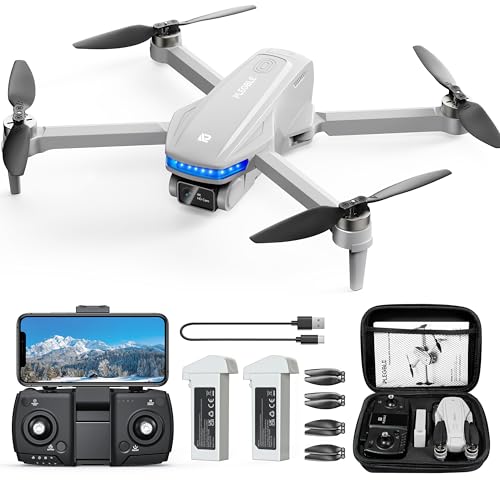
This foldable drone from PLEGBLE emphasizes GPS-based navigation, Follow Me, Waypoint Flight, and Circle Fly modes. It features a 4K camera with a 120° wide-angle lens and a 90° adjustable angle for flexible composition. With up to 46 minutes of flight time from two batteries and brushless motors, it’s suitable for users who prioritize long flights and stable footage in varied environments, especially for beginners and intermediate pilots.
Drone With Wrist Watch Controller (YBNQRIG)
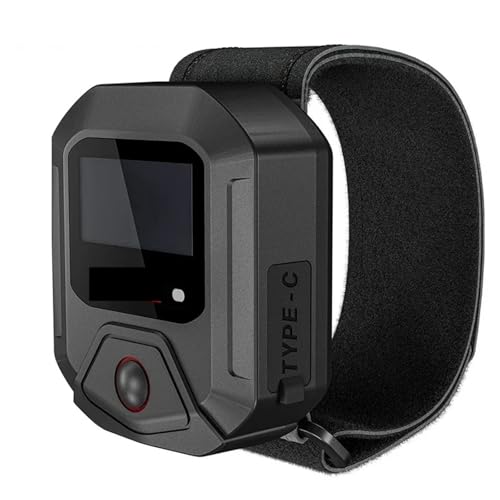
This wearable wrist controller enables camera operation from up to 25 meters away, offering flexibility for various shooting angles during activities. Built-in GPS records location data to enrich travel footage, and the compact watch-style design is comfortable for all-day wear. This option appeals to creators seeking convenient, on-the-wrist control without pulling the phone out during flight.
PLEGBLE Drone With EIS 4K Camera & 5.0” Screen

This drone includes a built-in 5.0” HD screen for real-time FPV, eliminating the need for a smartphone. It captures 4K video with a 130° wide-angle lens and 90° tilt, supported by EIS stabilization. GPS-based safety features include Smart Return to Home and low battery return. It’s ideal for creators who want plug-and-play control with a robust on-controller display for immediate feedback.
GPS Drone With EIS 2K Camera (Nexaero F3)

Nexaero’s F3 drone offers 2K photography with 2K/60fps HDR video and EIS stabilization for shake-free footage. Its AI-driven tracking and night-shot capabilities enhance performance in low-light conditions. The drone is designed to be compact and portable, with a registration-friendly weight under 249g, making it accessible for casual users and travelers alike.
Buying Guide: Key Purchase Considerations
- Control method: Consider how you prefer to pilot—gesture, palm-based takeoff/landing, or wrist-wearable controls—and whether you value hands-free operation for action shots.
- Camera quality: Look at resolution (4K vs 2K), stabilization (EIS or gimbal), and lens angle (180° to 120° wide angles) to match your shooting needs.
- Flight time and portability: Longer flight times extend shooting windows; lighter, foldable designs enhance travel convenience.
- GPS and safety features: Auto return, geofencing, obstacle sensing, and precise tracking improve reliability in varying environments.
- Display and FPV options: Some models include a built-in controller screen, reducing reliance on a smartphone for real-time viewing.
- Weight and registration: Drones under 249g are often easier to register or exempt in some regions—verify local requirements before purchase.
- Firmware and ecosystem: Consider brand support, app reliability, and accessory availability (batteries, chargers, filters) for long-term use.
- Intended use: For beginners, look for beginner-friendly modes (headless, one-key takeoff/landing); for enthusiasts, prioritize advanced tracking and manual camera controls.