Best Tiny Cameras for RC Planes: Ultra-Light FPV Options for Sharp Flight and Real-Time Views
Finding a compact, lightweight camera for RC planes is essential for maintaining agility while delivering reliable FPV feeds. This guide highlights five tiny, high-quality cameras ideal for micro planes, racers, and cinewhoops. Each option balances ultra-light weight with solid image clarity, wide fields of view, and easy integration with common RC setups. Whether you’re chasing speed, precision, or immersive first-person flying, these cameras help you see every maneuver without weighing you down.
| Product | Brand |
|---|---|
| STARDRONE 1200TVL FPV Camera | STARDRONE |
| SoloGood Caddx Ant FPV Camera | SoloGood |
| Readytosky 1200TVL FPV Camera NTSC | Readytosky |
| RunCam FPV Camera Nano 2 | DashRC |
| YoungRC 1800TVL FPV Camera Mini | YoungRC |
STARDRONE 1200TVL FPV Camera

Weighing just 2.5 grams, the STARDRONE FPV camera is engineered for micro drones, RC cars, boats, and fixed-wing planes. Its ultra-light form factor (14x14x18 mm) minimizes payload while preserving flight dynamics, enabling sharp turns and high-speed maneuvers without burdening the airframe. The camera supports both PAL and NTSC modes and uses a 1/3″ CMOS sensor for dependable performance in diverse lighting. With a 160° wide-angle view, pilots can spot obstacles and gaps earlier, reducing risk during complex indoor or urban FPV flights. This camera is a solid choice for pilots prioritizing weight, compatibility, and quick integration into small platforms.
Key features in practice include compatibility with FPV drones, micro quadcopters, and small RC craft, a broad 160° field of view for situational awareness, and a design that keeps installation options flexible on tight airframes. The 1200TVL resolution delivers clear visuals with enough detail for precise throttle control and banked turns at high speed. While compact, it remains robust enough for routine FPV sessions, offering a dependable baseline for micro-pilot setups and racers looking to minimize drone weight while maintaining image clarity.
SoloGood Caddx Ant FPV Camera

The SoloGood Caddx Ant FPV camera is a nano-form option designed for extreme FPV racing drones and cinewhoops. It weighs only about 2 grams, allowing for ultra-light builds where every fraction of a gram matters. With a 1/3″ CMOS sensor and 1200TVL resolution, it provides a crisp, stable image suitable for quick reaction times during high-speed maneuvers. The 1.8mm lens offers a modest wide angle that reduces blind spots while keeping the frame compact. This camera’s small footprint makes it ideal for tiny whoop-style drones, micro quads, and other compact airframes where every gram counts and easy mounting is a priority.
Performance considerations include its compatibility with standard FPV workflows and ground-control interfaces, straightforward installation, and the balance between ultra-light weight and image clarity. While optimized for micro racing, its 1200TVL resolution is generally sufficient for precise control in demanding environments. Pilots seeking a compact solution that minimizes added mass will find the SoloGood option attractive for stepping up from even lighter stock cameras without sacrificing essential image quality.
Readytosky 1200TVL FPV Camera NTSC
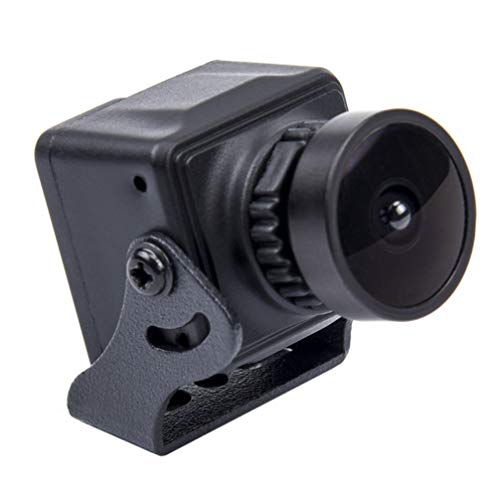
The Readytosky 1200TVL FPV camera emphasizes a compact footprint with a 2.5mm CMOS sensor and a 22×22 mm housing, delivering a practical blend of size and image quality for RC quads and tiny planes. Its wide-angle performance helps pilots maintain orientation during tight lines and rapid transitions, while the NTSC compatibility ensures broad compatibility with older analog video systems. The camera’s small size makes installation straightforward on limited space airframes, and the light weight supports longer flight durations on micro platforms. This option suits pilots who want a reliable, easy-to-install camera that doesn’t compromise frame integrity.
Considerations include the camera’s balance of resolution versus latency, the robustness of the casing in everyday use, and how well the camera pairs with standard VTX setups. For newcomers, the Readytosky model offers predictable imaging and simple setup, whereas more advanced pilots might seek higher resolutions or different aspect ratios for cinematic flights. Its 1200TVL clarity remains a solid baseline for precise FPV guidance in small aircraft and sport quads alike.
RunCam FPV Camera Nano 2

The RunCam Nano 2 is a compact 700TVL FPV camera built for toothpick-style quads, tiny whoops, and other small aircraft where every gram matters. Its 1/3” CMOS sensor balances size with image quality to deliver sharp, stable visuals for mid-air decisions. The camera’s wide 170° field of view (with a 1.8mm lens) ensures pilots maintain situational awareness across the horizon and during fast rollouts. It supports NTSC and offers easy integration with a variety of VTX options, making it a versatile pick for micro FPV builds and hobbyist kits.
Practical considerations include image fidelity at high speeds, the camera’s defense against glare in mixed lighting, and its compatibility with existing flight controllers. The Nano 2’s ultra-compact footprint helps keep airframes nimble, while the wide FOV enhances visibility in complex flight paths. It’s well-suited for pilots who want a balance of light weight and reliable, broadly compatible performance in micro- to small-size FPV projects.
YoungRC 1800TVL FPV Camera Mini

The YoungRC 1800TVL FPV camera emphasizes high-resolution imagery in a highly compact package. With a 2.1mm lens and a 1/1.8″ sensor, it delivers enhanced detail and clarity that can help pilots discern obstacles and flight cues more precisely. The camera supports PAL and NTSC formats and includes internal adjustments for compatibility with diverse RC platforms. Its factory emphasis on low power consumption aligns well with longer micro-duration flights and tight-fitting airframes where heat and weight are ongoing concerns for sustained FPV use.
Usage considerations include the camera’s output compatibility with various OSD configurations, how its 1800TVL resolution translates into live feed clarity on standard displays, and ease of installation on small plane frames. For pilots seeking a higher-definition analog option that remains compact, the YoungRC model provides a balanced solution with practical installability and strong image detail for micro-scale FPV flights.
Buying Guide: Tiny Camera For RC Planes
- Weight and size: For tiny planes, every gram matters. Look for cameras under 3 grams and dimensions around 14–22 mm footprints to preserve flight dynamics.
- Video resolution and sensor: 700–1200TVL is common for analog FPV; a 1/3″ CMOS sensor often offers good clarity with low latency. Higher TVL improves detail on distant obstacles but may come with increased processing needs.
- Lens and field of view: Wide-angle lenses (1.8–2.5mm) yield 160°–170° FOVs, reducing blind spots but potentially increasing distortion. Choose based on flight style: tight tracks benefit from broader FOV, while cinewhoop flights may prefer moderate FOV for easier framing.
- Format compatibility: Ensure NTSC or PAL compatibility with your video transmitter and goggles. Mixing formats can cause misalignment or degraded feed quality.
- Mounting and wiring: Small airframes require compact mounting options and clean wiring. Check mounting holes, bracket options, and the risk of propeller wash or vibration affecting image stability.
- Durability and vibration tolerance: Look for cameras with solid casings and vibration dampening. Micro planes experience significant vibration that can blur the feed if not mitigated.
- Power and consumption: Some cameras run on single-cell or two-cell LiPos or are powered from the flight controller rail. Confirm compatible voltage ranges (5V–6V typical) and current draw for safe operation.
- OTA compatibility and future-proofing: If you plan upgrades (new VTXs or goggle systems), verify that the camera’s interface remains compatible with your evolving setup.
- Installation versatility: A camera that supports multiple mounting orientations and has accessible tuning options (like D-WDR or gain control) can adapt to changing flight conditions and airframes.
- Price-to-performance balance: Ultra-light cameras offer appeal, but ensure the selected model meets your required clarity and reliability for your specific airframe and racing style.
In short, select a tiny camera that minimizes weight, provides sufficient resolution for quick decision-making, and offers straightforward mounting to fit your RC plane’s geometry. For racers, prioritizing ultra-light designs with wide FOV and fast latency is key. For cinewhoops or sport flyers, balance image clarity with ease of installation and durability. Consider your airframe’s capacity, your preferred flight style, and how the camera integrates with your current FPV ecosystem to choose the best option.