Best Small Electric Wood Planers for Precise Finishes and Quick Work
When you need precise thicknessing and smooth, straight edges on boards, a compact electric hand planer is essential. The following selection focuses on small-width planers that fit tight spaces and lighter projects while delivering solid performance. Each option offers adjustable depths, useful guides, and reliable motors for beginners to intermediate woodworkers. Below, you’ll find five compact models with key features to help you compare cutting capacity, speed, weight, and ergonomics at a glance. This guide also includes a practical buying guide to help you choose the right tool for your shop setup and typical projects.
| Product | Brand | Key Features |
|---|---|---|
| WEN 6530 6-Amp Electric Hand Planer | WEN | 3-1/4″ width, 34,000 cuts/min, 0 to 1/8″ depth, 5/16″ rabbeting guide |
| WEN 6528 3.8-Amp Electric Hand Planer | WEN | 2-3/8″ width, 32,000 cuts/min, 0 to 1/16″ depth, lightweight at 4.3 lb |
| WEN 6534 8-Amp Electric Hand Planer | WEN | 4-3/8″ width, 32,000 cuts/min, 0 to 1/8″ depth, 16 positive stops |
| SKIL 6.5 Amp 3-1/4″ Planer | Skil | 3-1/4″ width, dual chip exhaust, smooth kickstand, safety lock-off |
| DNTI 6.6 Amp 3-1/4″ Planer | DNTI | 3-1/4″ width, high-power 6.6A, 17000 rpm, durable build, multiple features |
WEN 6530: 6-Amp, 3-1/4″ Planer
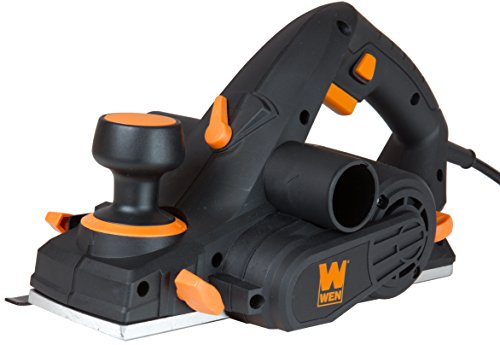
The WEN 6530 is a compact power planer designed for small to medium projects. Its 6-amp motor delivers up to 34,000 cuts per minute, making quick work of soft and hardwoods. Depth adjustment ranges from 0 to 1/8 inch with 16 positive stops for repeatable results. The 5/16-inch rabbeting guide supports simple edge rabbets, expanding its usefulness for cabinetry and trim work. The lightweight build helps reduce fatigue on longer sessions, and the overall thicknessing performance suits tight workshop spaces.
WEN 6528: 3.8-Amp Planer, 2-3/8″ Width

The WEN 6528 offers a lighter footprint with a 3.8-amp motor, suitable for quick edge refinishing and small boards. It delivers up to 32,000 cuts per minute and features 9 positive depth stops across 0 to 1/16 inch. At about 4.3 pounds, this model is one of the most portable options without sacrificing reliability. It’s a good pick for hobbyists working on trim, bevels, or panel corrections where maneuverability matters more than heavy planing capacity.
WEN 6534: 8-Amp, 4-3/8″ Planer
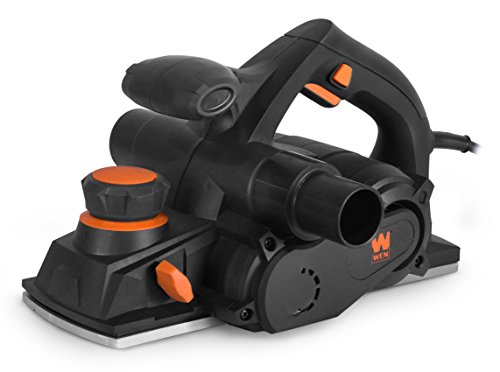
The WEN 6534 is a more powerful option with an 8-amp motor and a wider 4-3/8-inch cut capacity, making it well-suited for larger stock such as 2x4s and 4x4s. It also features 16 positive depth stops for precise, repeatable planing in smaller increments. The broader cut width reduces the number of passes needed on sizable boards, but the heavier build may require better handling in tight spaces. This model is ideal for users who frequently work with larger dimension lumber.
SKIL 6.5 Amp 3-1/4″ Planer

The SKIL PL201201 offers a practical balance of width and power. The 3-1/4″ cut width provides fine control for door and edge work. Features include a dual chip exhaust to keep the workspace clear, a smooth kickstand to protect finished surfaces, and a safety lock-off switch to prevent accidental starts. The combination of thoughtful ergonomics and reliable performance makes it a strong choice for homeowners and DIY enthusiasts planning frequent edge treatments and small plank refinishing projects.
DNTI 6.6 Amp, 3-1/4″ Planer

The DNTI 6.6-amp model provides robust power in a compact package with a 3-1/4″ width. It emphasizes durable construction and consistent results across its available depth range. Although the marketing copy uses vivid descriptions, the core takeaway is a dependable planer capable of handling common small to medium wood projects with regular passes, making it suitable for hobbyists seeking a strong mid-range option.
Buying Guide: Key Considerations For Small Electric Hand Planers
- Planer width and capacity: A 3-1/4″ to 2-3/8″ width is typical for small projects. Wider models reduce passes but may be heavier and less maneuverable in tight spaces.
- Depth adjustment and stops: Look for a model with clearly labeled depth stops and a range that fits your typical projects (0 to 1/8″ or similar). More stops can improve repeatability on repeated tasks.
- Power and speed: Higher amperage often means more aggressive planing and faster material removal. For hardwoods, aim for at least 6A or a high-output model; for softwoods, 3–4A can suffice.
- Weight and ergonomics: Lighter planers are easier to handle for long sessions, but ensure balance and a comfortable grip. An auxiliary handle or front grip can improve control.
- Dust management: A built-in dust port or a compatible bag helps keep work surfaces clear and improves visibility during planing.
- Rabbeting capability: If you plan to create rabbets or joinery, verify whether a rabbeting guide or accessory is included or available separately.
- Chip exhaust and finish protection: Dual exhaust routes and a solid finish on the sole plate prevent marring workpieces and reduce tear-out on delicate materials.
- Durability and blades: Look for HSS or high-speed steel blades with easy replacements and a robust build that tolerates repeated, accurate passes without bogging down.
- Warranty and support: A reliable warranty and accessible customer support help protect your investment, especially for newer woodworkers.
- Accessories compatibility: Consider optional accessories like rabbeting guides, blades, and dust bags to extend the tool’s versatility.