Best Receivers for RC Planes: Top Reliable Options for Clear Control
Choosing the right receiver for your RC plane is crucial to ensure reliable signal transmission and interference-free operation. Below is a concise comparison of five top-rated receivers that offer excellent range, unique transmitter pairing, and multiple channels suitable for various RC aircraft types.
| Product | Channels | Frequency | Range | Special Features |
|---|---|---|---|---|
| FLYSKY FS-i6 with FS-iA6 Receiver | 6CH | 2.4GHz AFHDS 2A | Long Range, Jamming Free | Unique ID pairing, Interference Free Transmission |
| AGFRC 2.4GHz 4CH S-FHSS Receiver | 4CH | 2.4GHz | Stable Control for Mini Aircraft | Integrated Stabilizing Circuit, Low Voltage Protection |
| FLYSKY FS-i6X with FS-iA6B Receiver | 10CH | 2.4GHz Multi-channel Hopping | Long Range with Sensor Data | Bidirectional Data, Extended Channels |
| DTXMX Flysky FS-i6 with FS-iA6 Receiver | 6CH | 2.4GHz AFHDS 2A | Up to 500 Meters | Highly Anti-Interference, Multi-Use |
| Radiolink AT10II 12CH with R12DS Receiver | 12CH | 2.4GHz DSSS&FHSS | Up to 2.5 Miles (4 km) | Telemetry, Real-time Flight Data, Fail-safe |
FLYSKY FS-i6 6CH 2.4GHz Radio System with FS-iA6 Receiver

This FLYSKY FS-i6 system includes a 6-channel 2.4GHz AFHDS 2A transmitter paired with the FS-iA6 receiver, making it ideal for helicopters, planes, quadcopters, and gliders.
- Reliable Operation: Uses 2.4GHz AFHDS 2A for interference-free signal.
- Unique ID Binding: Each transmitter/receiver pair communicates exclusively, avoiding accidental interference from other systems.
- High Sensitivity Receiver: Offers jamming-free long-range transmission, ensuring steady control at extended distances.
This system’s reliable connectivity and strong anti-interference technology provide excellent control consistency for hobbyists.
AGFRC 2.4GHz 4CH S-FHSS Compatible RC Plane Receiver

The lightweight and compact AGFRC 4CH receiver is designed for mini aircraft and cars, operating efficiently within the 2.4GHz frequency using S-FHSS protocol.
- Close Range Binding: Easy binding procedure within 20 inches between transmitter and receiver.
- Integrated Stabilizing Circuit: Prevents uncontrolled flight caused by sudden voltage drops; compatible with 1-2S LiPo batteries.
- Micro Size & Weight: Perfect for mini RC planes, providing full 4-channel output in a small form factor.
This receiver is particularly suitable for beginners or compact RC models requiring precise, stable signals.
FLYSKY FS-i6X 10CH 2.4GHz RC System with FS-iA6B Receiver
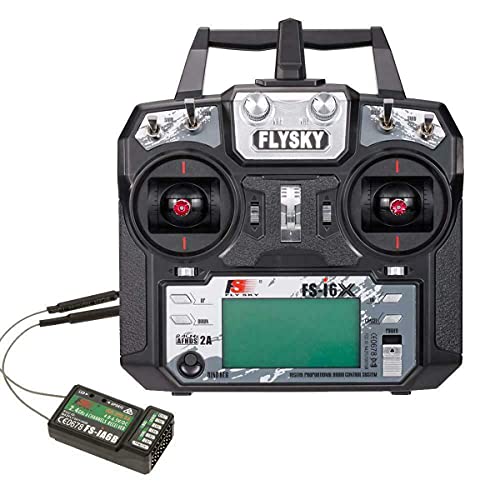
The enhanced FLYSKY FS-i6X system supports 10 channels via the FS-iA6B receiver, making it suitable for advanced RC boats, drones, and planes.
- Bidirectional Communication: Sends and receives data, including telemetry like temperature and altitude.
- Multi-Channel Frequency Hopping: Range of 2.408GHz to 2.475GHz split into 135 channels reduces interference risk.
- Extended Channel Support: Default 6CH with option to unlock 10CH using compatible receivers.
This system provides comprehensive control and telemetry integration for experienced users needing precise, multi-channel access.
DTXMX Flysky FS-i6 RC Transmitter with FS-iA6 Receiver
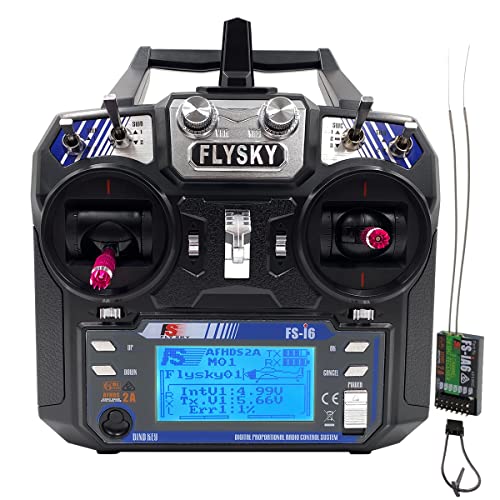
The DTXMX Flysky FS-i6 integrates the FS-iA6 receiver with a robust 2.4GHz AFHDS 2A protocol, supporting fixed-wing, glider, and multi-use RC control within a 500 meter range.
- Fast Response: Optimized for fixed-wing gliders but compatible with boats, cars, and helicopters too.
- High Anti-Interference: Reliable 2.4GHz system minimizes signal loss and interference.
- Wide Compatibility: Works with multiple Flysky AFHDS receivers for flexible DIY setups.
This combo suits users needing reliable mid-range control for various RC aircraft and vehicles.
Radiolink AT10II 12 Channels RC Transmitter and R12DS Receiver

The Radiolink AT10II system offers an expansive 12-channel transmitter paired with the R12DS receiver, featuring an impressive control range up to 2.5 miles (4 km).
- Exceptional Anti-Interference: Utilizes DSSS & FHSS technology and a high-gain antenna ensuring stable signals.
- Real-Time Telemetry: Displays battery voltage, speed, altitude, RSSI, and distance on the transmitter screen when paired with compatible telemetry modules.
- Advanced Features: Includes fail-safe, throttle lock, dual/triple rate switch, and endpoint adjustment for precise flight control.
This system is ideal for serious RC pilots requiring long-distance control and telemetry feedback for aircraft, drones, and cars.
Buying Guide for RC Plane Receivers
Choosing the best receiver for your RC plane depends on several key factors that affect flight experience and control reliability.
Frequency and Protocol
The majority of modern receivers operate on the 2.4GHz frequency band with protocols like AFHDS 2A, FHSS, or DSSS. These provide interference-free communication by hopping frequencies, which is crucial in environments with multiple RC devices.
Number of Channels
RC planes vary in complexity. Basic models may only require 4-6 channels for throttle, ailerons, elevator, and rudder control. Advanced planes or multirotors need 10-12+ channels to operate additional functions like flaps, lights, or telemetry sensors. Choose a receiver supporting the needed channel count for your model.
Range and Signal Stability
Receiver range must match your flying environment. For casual backyard flying, 300-500 meters is typically sufficient. For long-range or competitive flying, receivers with multiple kilometers of range and high gain antennas ensure steady signals over distance.
Compatibility and Binding
Ensure your receiver is compatible with the transmitter brand and protocol. Systems with unique transmitter/receiver IDs prevent cross-interference and enable secure binding. Some receivers allow easy binding and unbinding, facilitating multi-model setups.
Telemetry and Additional Features
Telemetry-capable receivers provide real-time flight data such as battery voltage, altitude, and signal strength to help you monitor your aircraft’s status mid-flight. Other features to consider include fail-safe modes, low voltage protection, and configurable endpoints for greater safety and customization.
Size and Weight
Lightweight and compact receivers reduce overall aircraft weight, improving flight characteristics. This is especially important for small planes and mini drones.
By considering these perspectives carefully, you can select a receiver that offers optimum control, safety, and expanded capabilities fitting your RC plane flying needs.