Best RC Planes to Build for Fun and Skill Progress
Discover a curated selection of radio-controlled planes that cover ready-to-fly options and detailed kits for hobbyists. This guide highlights models with beginner-friendly features, durable materials, and precise building details to help you choose the right project for your skill level and flying goals.
| Product | Type | Kit Type | Key Feature |
|---|---|---|---|
| RC Airplane, C-17 Globemaster III | Ready To Fly | RTF | Two motors with 6-axis gyro stabilization |
| Viloga Piper J3 Cub Kit | Unassembled Kit | KIT Only | Laser-cut parts for accurate fit |
| Vogee-08 T05 Training Plane | Unassembled Kit | KIT Only | Stable 800mm wingspan for easy control |
| 2 CH F-22 Ready To Fly | Ready To Fly | RTF | Self-stabilization and 2.4GHz control |
| Balsa R03 STICK-06 | Unassembled Kit | KIT Only | High-quality balsa wood and laser-cut parts |
C-17 Globemaster III RC Airplane
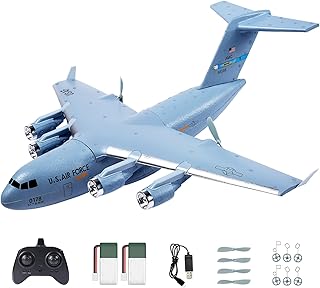
The RC Airplane modeled after the C-17 Globemaster III is designed to deliver a realistic visual and flight experience. It features two high-power motors to support confident takeoffs and landings, paired with a 6-axis intelligent gyroscope for automatic stabilization. This Ready To Fly (RTF) option is suitable for beginners who want immediate operation out of the box, while still offering a satisfying flight rhythm for more experienced pilots. Its precise scale detailing enhances visual appeal during flights and stalls, enabling a cinematic feel for those practicing maneuvers or conducting fun flights with family and friends.
Key attributes include a robust aerodynamic profile for steady climbs and controlled descents, plus a flight system that accommodates novices and seasoned flyers alike. The product emphasizes craftsmanship and realism, turning each flight into a meaningful piloting exercise rather than a simple glide. AGile takeoffs and stable handling are the core benefits described by the manufacturer, with a patent-pending design signaling ongoing improvements and potential future updates.
Ideal use cases include outdoor low-altitude flights in parks or open fields, educational demonstrations for flight basics, and weekend hobby sessions that balance realism with approachable performance. The combined features help bridge beginner pilots to more complex RC flight techniques over time.
Viloga Piper J3 Cub Kit

This unassembled kit recreates the classic Piper J3 Cub with careful attention to original lines and proportions. The package includes molded plastic cowl and windscreen, functional landing gear, and a comprehensive hardware pack, all designed to deliver a realistic flying model once built. The construction relies on high-quality balsa and plywood, delivering a light yet sturdy airframe suitable for hobbyists developing hand-assembly skills. Laser-cutting precision ensures easy piece alignment and clean seams during assembly.
Builders benefit from a structure that is both lightweight and durable, which helps with gentle takeoffs and forgiving landings. The kit format suits hobbyists who enjoy the building process as much as flight performance, providing a tangible sense of accomplishment as each part fits into place. Suitable for display when completed and as a functional trainer plane for learning basic aerodynamics, trimming, and flight control handling.
Vogee-08 T05 Training Plane Kit
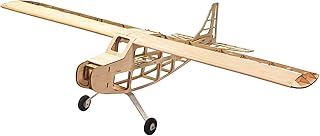
This 32-inch wingspan trainer is a laser-cut unassembled kit designed for adults and hobbyists who want a hands-on project with steady flight behavior. The kit uses quality balsa wood and plywood to form a lightweight yet durable airframe, enabling stable flights once the model is assembled. Precision laser-cut parts help ensure accurate alignment and easy assembly, reducing frustration during build and maximizing flight readiness upon completion. It’s positioned as a practical step for pilots transitioning from basic foam airplanes to more authentic wooden airframes.
Flight considerations include predictable handling, straightforward control responses, and predictable stability during initial training flights. The 800mm mid-span wing design supports forgiving maneuvers, helping builders practice trimming, turns, and climbs while minimizing risk of crashes during the learning curve. The kit format also encourages experimentation with lightweight materials and airflow principles.
2 CH RC Airplane F-22 Ready To Fly
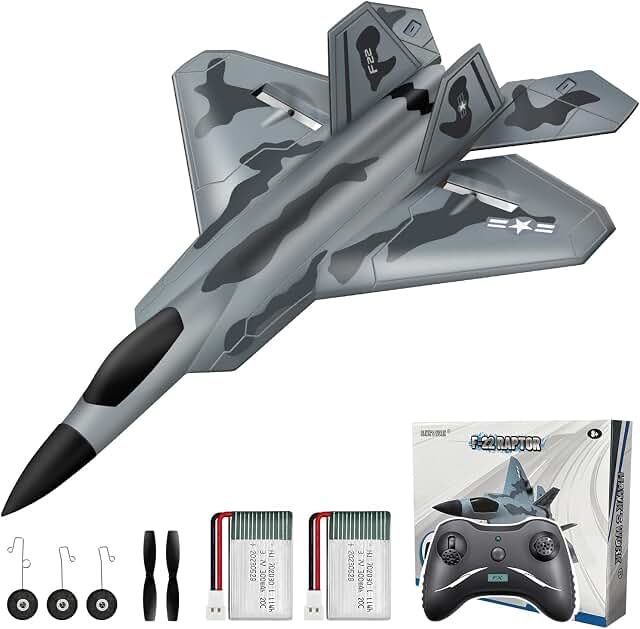
This 2-channel RC glider offers a practical blend of accessibility and performance for kids, beginners, and casual hobbyists. With built-in stabilization and a lightweight foam structure, the model is easy to handle, with a simple control layout suitable for first-time flyers. The 2.4GHz radio system supports easy setup and reliable control, while the plane’s design accommodates safe, forgiving flight characteristics suitable for learning basic piloting skills.
Designed to accommodate gradual skill growth, this model enables users to practice directional control, altitude changes, and gentle flight sequences. The setup emphasizes reliability in beginner sessions and suitability for classroom-style demonstrations or family flying days. The aircraft is positioned as a straightforward project that builds confidence in controls and flight planning without introducing excessive complexity.
Balsa Wood Airplane R03 STICK-06 Kit

This unassembled kit features high-quality balsa wood and plywood for a light, durable airframe. Laser-cut parts ensure precise fit and easy assembly, making it accessible for beginners while still offering enough detail to engage experienced builders. The 580mm upper wingspan is optimized for stable, forgiving flight, helping junior or first-time builders achieve consistent performance as they learn basic control and trim adjustments.
The kit emphasizes the experience of constructing a realistic wooden model, including careful shaping, alignment, and finishing techniques. Builders can personalize the plane’s look with paint and decals, turning the finished model into a display piece as well as a functional trainer. It’s well-suited for classroom-style projects or home workshops where step-by-step assembly contributes to the overall learning outcome.
Buying Guide: Key Considerations For Choosing RC Planes To Build
Selecting the right RC plane involves balancing build complexity, planned use, and future goals. Here are important factors to consider from multiple perspectives:
- Experience level: Beginners benefit from Ready To Fly kits with stabilization, while hobbyists eager to learn construction appreciate laser-cut unassembled kits with clear instructions.
- Material and durability: Foam planes are forgiving and easy to repair, while balsa and plywood airframes offer authentic handling and longer-term learning value, though they require more building skill.
- Flight characteristics: Look for stable trainers with gentle responses if you’re new to RC flying. If you want aerobatic capability, choose models marketed for precision turns and controlled climbs, often with stronger motors.
- Assembly effort: Confirm the kit’s complexity, number of parts, and whether essential components (motor, radio control, power system) are included or require separate purchase.
- Scalability: Some kits are designed to grow with your skills by allowing upgrades such as more powerful motors, higher-capacity batteries, or advanced control systems.
- Maintenance and repairs: Materials, availability of spare parts, and ease of repairs influence long-term enjoyment and total cost of ownership.
- Storage and transport: Consider wingspan, weight, and packaging to ensure you have suitable space at home and for field trips.
In evaluating these five options, readers should align their choice with preferred flying style, the amount of time they want to dedicate to assembly, and the type of learning curve they’re prepared to handle. Whether you want a showpiece model with authentic details or a reliable trainer that builds confidence in basic piloting, there is a balance of realism, stability, and build complexity to match.