Best RC Plane Radio Systems for Precision Flight Control
Choosing the right RC plane radio system involves balancing range, reliability, and compatibility with various receivers and aircraft types. This guide highlights five strong options, each with distinct features for fixed-wing models, gliders, and FPV drones. Whether you’re upgrading from a basic transmitter or building a mixed fleet, these systems offer dependable performance and scalable channels for growth.
| Product | Brand | Notes |
|---|---|---|
| FLYSKY FS-i6X 10CH 2.4GHz | FLYSKY | Mode 2, possible upgrade to 10 channels with FS-iA10B receiver |
| Alaohu FS-i6X 10 Channels Transmitter | Alaohu | AFHDS2A SKY, supports multiple receivers, 10CH output |
| Radiolink T8FB 8 Channels | Radiolink | BHSS 67 channels, APP setup, long-range up to 2km+ |
| Spektrum DX6e 6-Channel DSMX | Spektrum | 250 model memory, wireless trainer link |
| DTXMX FS-i6X 10CH | DTXMX | Multi-channel hopping, unique ID pairing, bidirectional data |
FLYSKY FS-i6X 10CH 2.4GHz RC Transmitter
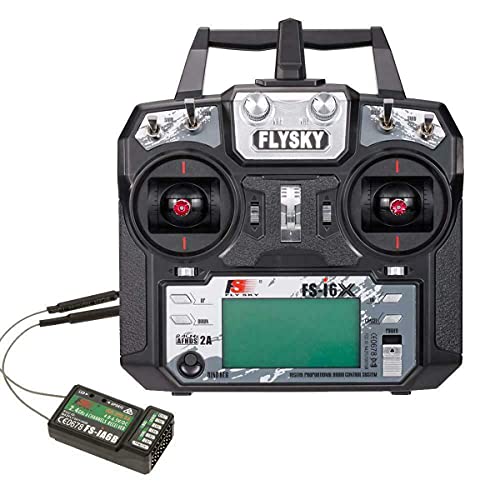
The FS-i6X is a popular entry-to-mid level transmitter with 10 channels possible when paired to the FS-iA10B receiver, expanding beyond a standard 6CH setup. It supports bidirectional communication, allowing data feedback from sensors and servo calibration via i-BUS. The radio uses a multi-channel hopping frequency scheme across 2.408GHz to 2.475GHz, reducing interference by continuously hopping among 135 channels. This configuration suits a mixed fleet including fixed-wing aircraft and quadcopters with future expansion in mind.
DTXMX FS-i6X 10CH Transmitter

This DTXMX variant emphasizes multi-channel hopping and a unique ID recognition system. Like other 10CH FS-i6X setups, it supports bidirectional communication and a 2.4GHz AFHDS 2A protocol, with channels distributed to minimize interference. It’s designed for a broad range of aircraft, from fixed-wing gliders to FPV drones, and notes compatibility with several FS receivers. The transmitter’s 10-channel output accommodates more complex control schemes and accessories for advanced builds.
FLYSKY FS-i6 6CH Radio System

The FS-i6 is a staple 6-channel system offering reliable AFHDS 2A signal quality and a solid learning curve for beginners. It ships with an iA6 receiver and provides stable long-range performance with transmission integrity through a unique ID pairing process. This setup is well-suited for fixed-wing aircraft, quads, or gliders while fitting a budget-friendly entry point into 2.4GHz radio control.
Note: This product row is presented to illustrate compatibility with models that typically use FS-i4/FS-i6 family transmitters. Availability and exact channel counts may vary by package and receiver choice.
Radiolink T8FB 8 Channels

The Radiolink T8FB provides 8 channels with advanced apps for parameter setup, Failsafe, and Bluetooth connectivity for easy tuning. Its FHSS 67-channel hopping design reduces interference in crowded 2.4GHz environments and extends control range. It also offers dual-rate controls and simulator compatibility, making it a strong option for pilots who want smartphone-backed configuration and on-the-fly adjustments for different aircraft profiles.
Spektrum DX6e 6-Channel DSMX
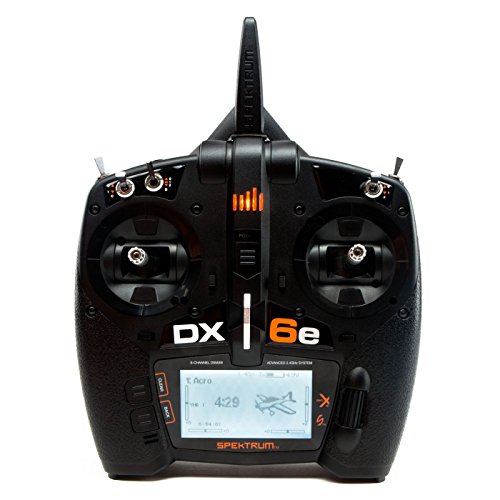
Spektrum DX6e emphasizes memory and trainer features alongside DSMX compatibility. It supports up to 250 models and offers telemetry-enabled programming with a wireless trainer link that can facilitate instruction and practice. While it ships without a receiver, its compatibility with Spektrum receivers supports a robust ecosystem for many fixed-wing, helicopter, and glider configurations, making it a flexible choice for growing hobbyists and instructors.
GoolRC FS-i4 4CH Transmitter

GoolRC FS-i4 presents an affordable 4-channel option with AFHDS 2A reliability and a compact receiver. It’s ideal for smaller RC planes and beginner builds where basic control suffices. The included 4-channel system emphasizes simplicity and reliable signal quality, providing a straightforward path to flight-ready configurations for hobbyists on a budget.
Buying Guide
Key purchase considerations for RC plane radios include channel count, compatibility with receivers, and future expansion. If you plan to run larger models or multiple aircraft with different needs, a 6- to 10-channel transmitter with a compatible multi-channel receiver is ideal. Look for bidirectional communication to monitor battery voltage and sensor data, which can help prevent crashes caused by low power or signal loss.
Interference resistance matters in busy flying spaces. Systems that use hopping frequencies (AFHDS, FHSS) or digitally encrypted links reduce cross-talk with neighboring transmitters. Range requirements vary by discipline; FPV pilots often need longer ranges, while backyard flyers may be satisfied with shorter, stable links.
Receiver compatibility is crucial. Ensure the transmitter supports your preferred brand ecosystem or that safe, reliable binding is straightforward. If you anticipate upgrading to more complex aircraft, select a model that supports additional channels and features such as i-BUS, PWM, PPM, or S.bus outputs.
App-based configuration and firmware update options can extend the life of a radio. Bluetooth or app interfaces allow quick parameter tweaks, failsafe values, and model management without frequent PC connections. Finally, consider ergonomics, weight, and grip comfort, especially for long flight sessions or competition use.
In sum, choose a radio system that aligns with your current aircraft lineup and offers a clear upgrade path. For learners, starting with a 6CH system ensures simplicity, while intermediate and advanced pilots may gain value from 8- to 10-channel options with robust telemetry and bidirectional features.