Best RC Airplane Radio Systems for Precise Control and Long-Range Fun
When choosing an RC airplane radio system, stability, range, and interference resistance matter as much as raw features. This guide highlights five dependable 2.4GHz radio systems that are popular among hobbyists for fixed-wing aircraft, quads, boats, and more. Each entry includes core specs, typical use cases, and what to consider before you buy. Whether you’re a beginner or advancing your skills, these systems offer solid performance and reliable links to compatible receivers.
| Product | Brand | Typical Use | Key Benefit |
|---|---|---|---|
| FS-i6 Transmitter Kit | FLYSKY | Fixed-wing, quadcopter | Simple setup with strong AFHDS 2A link |
| FS-i6 Transmitter + FS-iA6 Receiver | DTXMX | Versatile RC crafts | Broad compatibility with multiple receivers |
| 4CH Transmitter With Receiver | Hobby Fans | Cars, boats, planes | Solid anti-jamming performance |
| FS-i6X 10CH Transmitter | DTXMX | Airplanes, FPV drones | Higher channel count for complex setups |
| 4CH Transmitter Pack | Hobby Fans | Various RC models | Good value with reliable range |
FLYSKY FS-i6 6CH System With FS-iA6 Receiver

The FLYSKY FS-i6 offers a reliable 2.4GHz AFHDS 2A link with a dedicated iA6 receiver. This system emphasizes stable, interference-free operation with unique transmitter-recipient pairing. Each side maintains its own ID, reducing cross-system binding conflicts and ensuring that only the paired transmitter can send data to the receiver. The result is more predictable control, especially in environments with multiple RC devices nearby. It’s well-suited for beginners upgrading from basic sets and for pilots who value straightforward setup and dependable performance.
DTXMX FS-i6 Transmitter With FS-iA6 Receiver (2.4GHz AFHDS 2A)
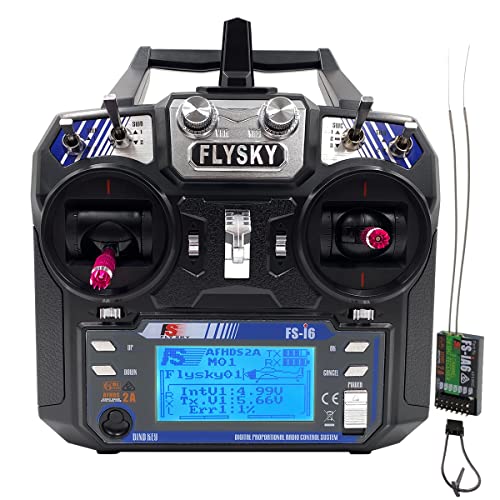
DTXMX’s FS-i6, paired with the FS-iA6 receiver, emphasizes quick response within a 2.4GHz AFHDS 2A ecosystem. It supports fixed-wing, gliders, helicopters, and can be adapted for RC cars and boats with the appropriate receivers. A notable benefit is its broad compatibility and straightforward pairing, which helps hobbyists create DIY projects or upgrade older builds without compatibility headaches. The system is designed for stable control across various airframes and a stated line-of-sight range that supports mid-length flights.
Hobby Fans RC Radio System 4CH With Receiver (Blue)
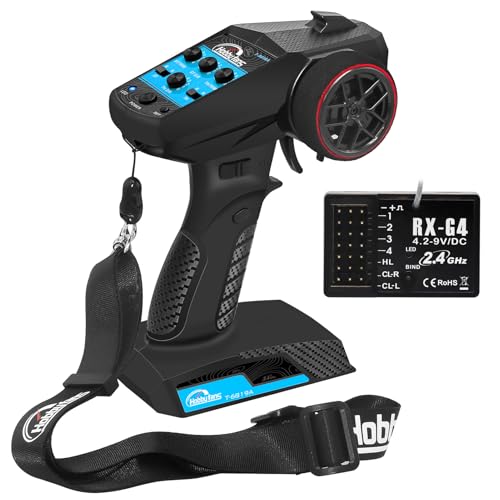
This Hobby Fans 4CH setup emphasizes 2.4G technology with FHSS for anti-interference performance and stable inputs at distances up to about 150 meters. The CH1 and CH2 mixing control allows simultaneous steering and throttle control from a single transmitter stick or wheel, which can simplify flight and ground-control handling for beginners and intermediate pilots. It’s a practical option for those focusing on planes, cars, or boats where a compact, user-friendly radio is preferred.
DTXMX FS-i6X 10CH Radio Transmitter With FS-iA10B Receiver

DTXMX’s FS-i6X expands control with 10 channels and a bi-directional communication feature, allowing the transmitter to read back data such as the receiver’s battery voltage via compatible hardware (additional modules may be required). The system supports a broad frequency-hopping scheme across multiple channels to minimize interference and ensure data integrity during flights. The unique ID recognition—paired once and kept separate from others—helps prevent cross-communication in busy environments, making it a strong option for more complex or expansive RC builds.
Hobby Fans RC Radio System 4CH Pack For Various Models

This second Hobby Fans 4CH pack is a value-oriented entry suitable for a range of RC models, including planes, cars, boats, and crawlers. It shares the brand’s emphasis on FHSS technology and robust anti-interference capabilities, with a mixing control approach that helps pilots achieve smoother guidance and more precise turns or accelerations. The set is attractive for hobbyists building multiple projects or who need a reliable spare radio to keep on hand.
Buying Guide: Key Purchase Considerations
When evaluating RC airplane radio systems, consider these factors to choose the best fit for your needs:
- Compatibility and ecosystem: Ensure the transmitter and receiver pairing is straightforward and that you can easily source compatible receivers or add-ons for the airframes you own or plan to build.
- Channel count and future-proofing: If you anticipate expanding to more complex aircraft or adding features like gyros, FPV equipment, or multiple aircraft, a higher channel count (such as 6–10 channels) provides greater flexibility.
- Interference resistance: AFHDS 2A and FHSS technology help reduce cross-channel interference. Look for systems that advertise unique ID pairing, pair-once designs, and robust binding security.
- Range and flight envelope: Check manufacturer claims for typical line-of-sight range. Real-world range can vary with terrain, weather, and antenna placement; plan for a conservative margin for safe operations.
- Ease of use and setup: For beginners, systems with clear setup instructions, intuitive binding procedures, and minimal fuss during initial flights are beneficial.
- Build quality and ergonomics: A comfortable transmitter with reliable switches and a stable grip reduces fatigue during longer sessions. Check for backlit displays or adjustable throw settings if you fly in dim conditions or need fine control.
- Battery and accessories: Consider what batteries the transmitter uses, how long they last in practice, and whether extra batteries, lanyards, or charging hubs are included or sold separately.
In practice, the best choice depends on your intended airframes, desired features, and your comfort with binding and configuring an RC system. The models listed here cover a range of beginner-friendly options through to setups suitable for more advanced pilots who value higher channel counts and versatile compatibility. Always follow safety guidelines, keep firmware up to date when possible, and verify binding to the correct aircraft before flight.