Best Paper Airplane Remote Control Toys for 2026
Explore the top remote-controlled paper airplane kits and accessories that blend folding craft with modern electronics. From smartphone-controlled flight to durable DIY conversion kits, these picks offer stability, creativity, and hands-on learning for hobbyists, students, and families alike. The selections below highlight five standout options with strong performance, clear setup, and robust companion apps or guidance.
Product Summary
| Product | Brand | Key Benefit | Flight Type |
|---|---|---|---|
| POWERUP 4.0 The Next-Generation Smartphone Controlled Paper Airplane Kit | POWERUP Store | Autopilot & Gyro Stabilization | Smartphone-controlled |
| RC Paper Plane, Birdy X 2.0 | WORK | Six-axis gyro stabilization | Remote-controlled |
| POWERUP 2.0 Paper Airplane Conversion Kit | POWERUP Store | Longer flight time with engine | Electric motor |
| POWERUP 2.0 Paper Airplane Conversion Kit (Variant) | POWERUP Store | Durable build, easy upgrades | Electric motor |
| Remote Control Airplane for Kids (Foam) | Unknown | Beginner-friendly stability | RC plane |
These picks offer a mix of ready-to-fly and DIY experiences, balancing ease of use with creative experimentation. Each entry links to its product page for quick reference and purchase considerations.
POWERUP 4.0: Smartphone Controlled Paper Airplane Kit

The POWERUP 4.0 kit places you in the cockpit of a paper airplane with smartphone control. The onboard autopilot and gyro stabilizer help maintain stable flight, even when the weather isn’t perfect. Sessions can include loops, barrel rolls, and hammerheads using Acro Mode. The system automatically calibrates the plane for variances in a real environment, launching with assistive wind stabilization. This kit is designed for hobbyists, students, and pilots who enjoy tinkering with flight dynamics and electronics integration.
RC Paper Plane Birdy X 2.0

This kit offers a straightforward DIY approach with a 6-axis gyro stabilization system for easier handling. Fold a sheet into a basic plane, attach the power bracket, and fly via remote control. It’s especially friendly for beginners who want to learn basic flight physics while enjoying a tangible, hands-on project. The included colored papers support quick design variations, and the kit encourages experimentation with different shapes and flight characteristics.
POWERUP 2.0 Paper Airplane Conversion Kit

The POWERUP 2.0 engine kit adds an electric motor to traditional paper planes, delivering longer flights and enhanced distance. It’s designed for diverse ages, from kids to adults, making it ideal for STEM learning, family projects, or nostalgic play. The engine’s durability is emphasized, with a carbon fiber propeller shaft and a robust rear propeller to handle routine crashes. The kit emphasizes extending airtime while keeping assembly approachable for novices.
POWERUP 2.0: Longer Flight Time Kit (Variant)

Like its sibling, this POWERUP 2.0 variant focuses on maximizing airtime and distance with a durable, modular engine kit. It’s pitched toward a wide audience, from curious kids to adults who want a practical, hands-on engineering challenge. The kit supports long flights and fosters learning through real-world application of propulsion concepts, aerodynamics, and simple electronics, all without relying on screens for primary interaction.
Remote Control Airplane for Kids
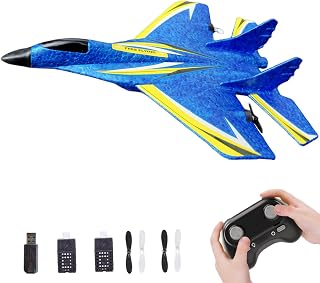
This foam RC airplane is designed for beginners and adults alike, featuring 2.4GHz control and a built-in 6-axis gyro stabilization system to ensure smooth and stable flights. The dual-wing LED lighting enhances orientation during night operation, while the lightweight EPP foam construction provides a resilient platform for learning and experimentation. It’s positioned as an approachable entry point for those new to aviation toys or returning to the hobby after a break.
Buying Guide: Key Considerations And Comparisons
Choosing the right paper airplane remote control option depends on your goals, skill level, and the kind of learning or fun you want to achieve. Consider the following factors:
- Skill level and learning goals: If you’re a beginner, look for stable control systems with simple setup and robust safety features. For advanced users, kits with autopilot, programmable flight paths, or modular upgrades offer more depth.
- Control style: Smartphone apps provide a screen-based piloting experience with telemetry and design sharing. Physical remotes offer tactile control and may suit younger users or classrooms without reliable smartphones.
- Flight stability technologies: Gyro stabilization, wind compensation, and autopilot features can dramatically affect how forgiving a plane is during learning or demonstrations.
- Durability and materials: Foam and carbon components help planes survive crashes. Consider how easy it is to replace parts or upgrade the engine for longer flights.
- Flight time and range: Engines and propeller choices determine how long and how far you can fly. If extending airtime is a goal, look for kits advertising longer flight times and efficient propulsion.
- Educational value: STEM-oriented kits that teach physics, electronics, and aerodynamics add value to classrooms or family projects beyond entertainment.
- Maintenance and compatibility: Some kits integrate with existing paper airplane designs or include assorted paper options. Check whether you can customize with other planes or upgrade components later.
In terms of overall performance, smartphone-controlled systems tend to emphasize installation ease and data logging, while traditional RC planes may excel in immediate responsiveness and hands-on learning. For longevity and adaptability, conversion kits that add engines to paper planes provide opportunities to revisit oldest designs with modern propulsion. When shopping, compare the included accessories, replacement part availability, and the learning curve required to achieve stable, repeatable flights.