Best Model Planes That Fly: Top RC Planes for Beginners
Model planes that fly offer hands‑on excitement for beginners and seasoned enthusiasts alike. Below is a curated selection of ready‑to‑fly RC planes with stability features, easy controls, and beginner‑friendly modes. Each entry includes practical flight time, handling aids, and safe landings to help new pilots gain confidence and improve skills quickly.
| Product | Brand | Key Benefit |
|---|---|---|
| LEAMBE RC Plane 4 Channel Ready To Fly | LEAMBE | Stability and easy aerobatics with Xpilot stabilization |
| LEAMBE 4 Channel RC Plane P51 Mustang RT | LEAMBE | Three flight modes for beginners to advanced |
| RC Airplane C-17 Globemaster III 2CH | AIGIMU | 6‑axis gyro stabilization for smooth flights |
| BEZGAR F-22 Raptor | BEZGAR | Ready‑to‑fly jet with built‑in stunt capability |
| Daron Emirates A380 Die‑Cast | Daron | Realistic scale model for display and play |
LEAMBE RC Plane 4 Channel Remote Control Airplane

The LEAMBE model is designed for easy operation with a simple control mode that reduces learning curves. Users can take off after wheel assembly, and the aircraft supports horizontal ground take‑offs as well as throw take‑offs for versatility. Flight time reaches up to 15 minutes per charge, with powerful thrust enabling steady speed and controlled aerobatics. A three‑level flight control system provides stable performance and supports gentle stunts, while solid RC wheels ensure safe landings. Ideal for beginners seeking a guided transition to more complex maneuvers, this plane emphasizes stability and user friendliness.
LEAMBE 4 Channel RC Plane, P51 Mustang Ready To Fly

This P51 Mustang RC aircraft emphasizes flight stability and easy handling. Made from lightweight elastomer foam, it combines light weight with flexible material to support outdoor flight. It offers three control modes—Beginner, Intermediate, and Experienced—so pilots can progress at their own pace. A new Propeller Saver Technology helps protect the plane from damage, and the propeller can be easily reinstalled after impacts. The design aims to deliver a forgiving learning curve while enabling enjoyable aerobatic performance as skills grow.
RC Airplane C‑17 Globemaster III 2CH
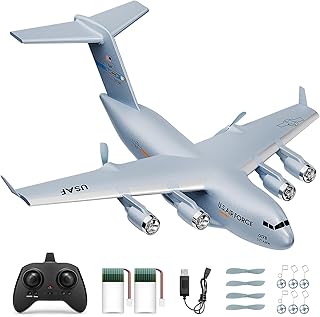
The Globemaster III model emphasizes a realistic appearance and robust stabilization. It features a 6‑axis intelligent gyroscope automatic stabilization system to maintain smooth flight, appealing to both beginners and experienced pilots. Two powerful motors provide the thrust needed for reliable take‑offs and controlled landings. The aircraft supports varied takeoff approaches, including hand launch and glide takeoff, enabling different flight styles to match user preference. Its scale detailing adds to the visual appeal while preserving flight stability in typical outdoor conditions.
BEZGAR F‑22 Raptor Mini RC Plane

The BEZGAR F‑22 Raptor is marketed as a ready‑to‑fly fighter jet suitable for beginners and kids. The model emphasizes stunt capabilities and engaging visuals, with built‑in lighting to enhance visibility during dusk or evening flights. Its compact sizing makes it easy to maneuver in small outdoor spaces, while the beginner‑friendly design supports straightforward control. While focused on action and display, the plane remains a useful tool for learning basic steering, throttle control, and coordinated aerobatics in a safe, controlled environment.
Daron Emirates A380 Die‑Cast Model
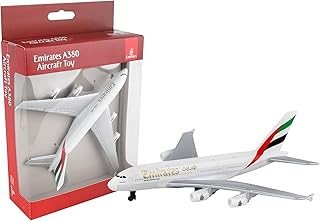
The Emirates A380 die‑cast model offers a detailed scale appearance for display and imaginative play. While primarily a collectible, it serves as an introduction to aviation design, with realistic features and construction that mirror the real aircraft. This option is suited for collectors or younger aspiring pilots who enjoy authentic models and the visual appeal of a large passenger jet. It complements flight‑mocused kits by providing a tangible, high‑fidelity representation of modern airliners, encouraging curiosity about aerodynamics and aircraft history.
Buying Guide: Key Purchase Considerations for Model Planes That Fly
- Skill level and learning curve: Look for aircraft with beginner modes, stability systems, and gradual progression options to match your experience.
- Flight time and battery life: Extended flight times reduce downtime between flights and allow more practice in a session.
- Stability features: Gyro stabilization, three‑to‑six axis stabilization, and propeller saver technology improve handling and durability for new pilots.
- Build and materials: Foam bodies are typically lighter and forgiving; durable plastics and reinforced wings help with minor bumps during learning.
- Takeoff and landing options: Ground take‑offs, hand launches, and glide or auto‑land modes provide flexibility for different outdoor spaces.
- Size and space requirements: Consider wingspan and weight relative to your flying area (backyard, park, or field).
- Assembly and setup: Ready‑to‑fly (RTF) models reduce setup time; assess whether you need additional equipment like transmitters or batteries.
- Maintenance and spare parts: Check availability of replacement parts (propellers, wings, motors) and ease of repairs after crashes.
- Safety and regulations: Adhere to local airspace rules and safety guidelines for RC aircraft, especially in public parks or near crowds.
- Budget and value: Compare features, flight stability, and durability against price to determine long‑term value.