Best Gasoline-Powered Model Airplane Engines for Enthusiasts
For hobbyists building or upgrading RC airplanes, high-performance gasoline engines deliver strong power, reliable starts, and longer run times than glow engines. This guide highlights five top-rated options, ranging from compact 20cc units to larger 60cc radial configurations, along with a premium fuel option. Each entry includes a direct product link, a visual reference, and core features to help you compare performance, durability, and ease of use for American hobbyists.
| Product | Brand | Key Feature |
|---|---|---|
| Lastest DLE 55RA 55cc | DLE | 55cc displacement; RA electronic ignition; strong power for mid- to large-size models |
| DLE20 20cc Engine | DLE | 20cc class; lightweight option for smaller RC planes |
| FG-60R3 60cc Radial | Engines | Three-cylinder radial; authentic 4-stroke sound; electronic ignition |
| VP Racing Fuels 20% Nitro | VP Racing Store | NP-based nitro fuel; optimized for RC gas engines |
| DLE30 30cc | DLE | 30cc class; robust performance for mid-sized aircraft |
DLE 55RA 55cc Gasoline Engine

The Lastest DLE 55RA represents a popular choice for mid- to large-scale RC airplanes. With a 55cc displacement and electronic ignition, this engine is designed to deliver consistent starts and reliable power across a variety of aviation models. The RA configuration typically supports smooth throttle response, making it suitable for park-flying to more ambitious builds. Features emphasize robust construction and ease of integration into existing airframes that accommodate gas-powered setups.
DLE 20cc Gasoline Engine

The DLE20 offers a compact 20cc option ideal for lighter airframes or sport-scale builds. Its smaller displacement reduces weight while still providing ample thrust for efficient flight envelopes. The engine is designed for straightforward starts and dependable operation, making it suitable for builders seeking a balance between performance and simplicity. This unit is compatible with standard RC configurations and widely used across various 20cc-class aircrafts.
FG-60R3 60cc Radial

The Saito FG-60R3 is a 60cc three-cylinder gas radial that delivers a classic radial presence with modern electronics. It ships with electronic ignition, flexible exhaust piping, and engine standoffs to simplify mounting. The design emphasizes a robust ignition system and a traditional, loud-running gas engine character preferred by many RC enthusiasts who crave scale realism and powerful performance for larger models.
VP Racing 20% Nitro Fuel
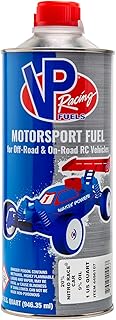
VP Racing 20% Nitro Fuel is designed for gasoline-powered RC engines, delivering reliable combustion characteristics and consistent performance. This nitro fuel is compatible with a wide range of RC vehicles using 20% nitro blends, supporting steady power delivery, smoother idle, and easier cold starts. Fuel quality and stability are important for long-running airframes that endure extended sessions during practice or competition flights.
DLE 30 30cc Gas Engine

The New DLE 30 30cc engine provides a versatile option for mid-sized RC airplanes needing reliable power with a compact footprint. Designed for straightforward mounting and maintenance, the 30cc class units strike a balance between gross weight and thrust that suits a wide range of models, from sport airframes to scale builds. Engine durability and consistent fuel efficiency are emphasized in its design and included components.
Buying Guide
Key considerations when selecting a gasoline-powered engine for RC aircraft include displacement, weight, mounting compatibility, and ignition type. Larger engines (50cc and above) offer higher thrust for bigger or heavier airframes but add weight and fuel consumption. A reliable electronic ignition improves cold starts and spark stability, especially in varied temperatures and altitudes.
Fuel type and quality influence performance and maintenance intervals. For nitro-fueled systems, ensure compatibility with your engine’s carburetion and exhaust setup. Consider the availability of spare parts, such as diaphragms, gaskets, and exhaust pipes, which affect downtime and overall ownership costs. Availability of professional support, documentation, and community experience can ease the learning curve for new gas-powered builds.
Ease of installation matters: look for engines with clear mounting patterns, compatible standoffs, and straightforward wiring for ignition systems. Durability features like robust mounts and corrosion-resistant components extend service life in outdoor environments, where vibrations and temperature swings are common. Finally, evaluate the airframe’s power-to-weight ratio to ensure the engine will deliver the expected performance without compromising flight characteristics.
From the 20cc class to 60cc radials, the options range to suit different skill levels and model sizes. When choosing, align engine displacement and weight with your airframe’s design, verify mount compatibility, and confirm availability of replacement parts and support resources to maintain consistent, safe operation.