Best Micro RC Glider Sailplane Picks for Precise, Low-Noise Soaring
Discover top micro and small-scale RC gliders that deliver smooth thermals, long glide times, and easy handling for beginners and experienced pilots alike. This guide highlights five well-regarded options with different flight styles—from ultra-lightweight micro models to larger sailplanes—so you can choose the ideal glider for casual flying, aerotow, or keen competition practice.
| Product | Brand | Key Benefit |
|---|---|---|
| E-flite UMX Radian | E-flite Store | Telemetry-capable, long flights on micro 1S packs |
| Swift 2100 | XFLY-MODEL Store | High aspect ratio wings, strong construction for beginners to intermediate |
| FD12 Windrunner | FD12 Windrunner | DLG discus launch performance, premium light construction |
| VOLANTEXRC RC Glider Plane | rcxsuv Store | Beginner-friendly with multiple flight modes and aerobatics |
| 4DRC Planes | 4DRC Store | Ready-to-fly fun, LED night flight options, easy control |
E-flite UMX Radian: Micro Glider With Telemetry

The E-flite UMX Radian is a compact sailplane designed for relaxed soaring and simple storage. It features a removable one-piece wing with a composite spar, aiding quick transport and storage. The model supports telemetry data on compatible transmitters to monitor flight battery voltage, helping pilots manage power during extended flights. Flight times range around 10 to 20+ minutes using a small 1S 150–200mAh battery, ideal for park flying and casual practice sessions. This is a great entry point for pilots seeking a sensitive, light glider that rewards smooth throttle management and precise coordination.
Swift 2100: High-Wly Glider For Beginners

The Swift 2100 is a wingspan-heavy RC glider engineered for efficient flight from a robust, carbon-reinforced frame. It incorporates an efficient folding propeller, metal spinner, and functional flaps, enabling stable climbs and controlled descents. The design supports high-power brushless drive compatible with 3S or 4S LiPo batteries, making it adaptable for various skill levels from casual soaring to more energetic glide sessions. Its materials and construction emphasize longevity and consistent performance for park or field flying environments.
FD12 Windrunner: Premium DLG Discus Launch Kit
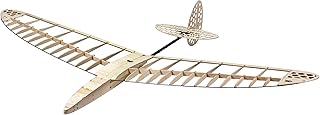
The FD12 Windrunner brings a high-performance design to the discus launch (DLG) arena. With a 1200mm wingspan and optimized airfoil, it delivers efficient lift, long flights, and precise handling for advanced pilots. Built from premium lightweight balsa and plywood, the kit emphasizes a favorable strength-to-weight ratio. Its build process rewards careful craftsmanship and contributes to a durable, agile sailplane that excels in silent, thermally driven soaring and aerobatic maneuvering such as loops and rolls after launch.
VOLANTEXRC RC Glider Plane: Beginner-Friendly 4CH

This VOLANTEXRC glider features a four-channel setup with a gyro-stabilized airframe for steady flight and a more forgiving learning curve for newcomers. It offers three flight modes and aerobatic capability, including light sensational maneuvers like basic flips and controlled climbs. The package includes three batteries and a charging solution, creating a convenient, ready-to-fly experience for beginners who want quick, repeated practice without complex setup. The rear-propeller design helps in reducing nose-down tendencies during launches and landings.
4DRC Planes: Easy Flying RC Glider And Night Flights

The 4DRC RC Planes line offers easy-to-fly remote control airplanes with beginner-friendly modes, including headless flight and multiple speed settings. This package emphasizes simple takeoffs, stable flight, and enjoyable aerobatics such as 360° turns and looping. The included LED lighting adds visibility for daytime or nighttime flights, making it a versatile option for family fun, educational use, or solo practice in appropriate outdoor spaces. The design prioritizes straightforward control for new pilots while remaining engaging for hobbyists seeking occasional precision stunts.
Buying Guide: Key Considerations For Micro And Small Gliders
- Glider class and intended use: Micro RC gliders are ideal for park flying and light field use, while larger sailplanes excel in thermals and open spaces. Choose based on space, local regulations, and flight style (glide-only vs. motor-assisted).
- Wing loading and construction: Lighter balsa constructs provide lively handling but require careful handling; carbon reinforcement increases stiffness and durability. Consider your skill level and the environments where you fly.
- Launch method: Many gliders rely on disqualification-free launches (hand-launch, rubber band, or discus/DLG launches). If you’re new to gliders, look for models designed for easy discus launching or forgiving launch methods.
- Motor vs. pure glider: Some models include motors for initial climbs and extended flight times, while others are sailplanes designed for silent soaring after launch. Your preference for self-launch or tow-launch will guide your choice.
- Power system and batteries: For micro gliders, compact LiPo packs (1S or small 2S configurations) keep the aircraft light and responsive. Check the transmitter compatibility for telemetry and battery voltage readouts if monitoring is important to you.
- Flight characteristics: Look for stability aids such as gyro stabilization, flight modes for beginners to experts, and features like functional flaps or ailerons for improved control during thermals and landings.
- Maintenance and parts availability: Ensure spare parts, replaceable servos, and wing mounting components are accessible to minimize downtime and support ongoing practice.
- Beginner-friendly features: Headless mode, low-battery warnings, and straightforward assembly help reduce the learning curve. For younger pilots or first-timers, simplicity often yields quicker progress and enjoyment.
- Price-to-performance balance: Micro-to-mid-size gliders offer varying levels of performance. Match the investment to your anticipated flying locations, access to space, and future growth in piloting skills.
In sum, the right micro or small sailplane blends ease of use, reliable stability, and appropriate launch methods with flight endurance that matches your available space. The models above provide a mix of telemetry, sturdy construction, and beginner-friendly flight modes to support a progressive learning curve while delivering satisfying soaring experiences.