Best DC Motors for Drones: Top Picks for Reliable Flight Performance
Drone enthusiasts and hobbyists constantly seek reliable DC motors that deliver steady thrust, efficient power use, and durable construction. This guide highlights five well-regarded DC motor options that suit DIY drones, micro quadcopters, and small airborne projects. Each option includes key specs, typical use cases, and practical considerations to help you choose the right motor for your build. Read on to compare performance characteristics and find a motor that aligns with your flight goals.
| Product | Brand | Voltage Range | Approximate Size | |
|---|---|---|---|---|
| EUDAX 6 Set DC Motors Kit | EUDAX | 3V–12V | 27×38 mm body | High RPM; color variety; includes accessories |
| YoungRC 8520 Coreless Motor | YoungRC | Typically 1.5V–6V | 8.5×20 mm | Small coreless option; CW/CCW props |
| Acxico 4mm Micro Motor | Acxico | 3V–3.7V | 4×12 mm | Very small, very high RPM |
| Gikfun 1.5V-6V DC 130 Type | Gikfun | 1.5V–6V | 4×8 mm | Low voltage micro motor; versatile for small projects |
| ALMOCN 4Pcs 615 Coreless Motors | ALMOCN | 6V class range typical | 15×20 mm | High efficiency and power output |
When selecting a DC motor for a drone, consider voltage compatibility with your power system, RPM ranges for desired thrust, propeller compatibility, weight, and mounting options. The following sections break down each option to help you map performance to your flight style, whether you’re chasing agility, endurance, or payload capacity.
EUDAX 6 Set DC Motors Kit Overview

The EUDAX set provides a versatile range for learners building micro dronelike platforms. Specifications indicate a broad DC voltage window of 3V to 12V and a high no-load speed range of 9000 to 25000 RPM, enabling rapid thrust development with compatible propellers. The kit’s 27mm body diameter and 38mm length, paired with a 2mm shaft aperture, offer straightforward mounting for compact frames. A notable feature is color variety on the exterior, which can aid in quick motor identification during assembly. Users should follow the included circuit diagrams to prevent short circuits and excessive heat that can damage components.
Key considerations:
– Voltage flexibility supports experimentation with different battery configurations.
– Higher RPMs demand careful propeller selection to avoid vibration and instability.
– The kit includes accessories like a battery holder and connector options, facilitating quick prototyping.
YoungRC 8520 Coreless Motor Details

The YoungRC 8520 coreless motor is designed for micro quadcopters and light RC aircraft. With a compact 8.5×20 mm footprint, it offers a balance of weight and performance suitable for small drones that prioritize speed and maneuverability. The listed features emphasize additional thrust and power when paired with a 60mm cable extension, and the shaft diameter remains compact at 1.0 mm. This motor shines in builds requiring low weight and quick response, though it may require precise ESC calibration for stable flight in certain frames.
Key considerations:
– Ideal for tiny quadcopters where weight savings are critical.
– Ensure propeller and ESC compatibility with the motor’s electrical characteristics.
– CW/CCW variants can simplify motor orientation in multi-rotor layouts.
Acxico 4mm Micro Motor Capabilities
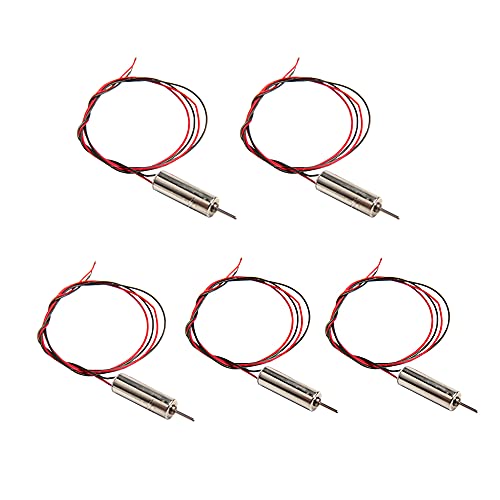
The Acxico four-millimeter motor is built for extreme minimum footprint applications, offering a 3.7V rated operation and an impressive 60,000 RPM. With a 0.7 mm shaft and a compact 12 mm length, this motor is suitable for micro-drones and very small RC devices where space is at a premium. The model implies a 170 mm overall length measure in its listing, suggesting this is a component intended for integration into custom assemblies rather than plug-and-play setups.
Key considerations:
– Extremely high RPM demands careful propeller matching to avoid instability.
– Small shaft and diameter require precise hardware for mounting and balance.
– Thermal management is critical at high speeds; monitor temperature during testing.
Gikfun 130 Type Micro Motor Overview
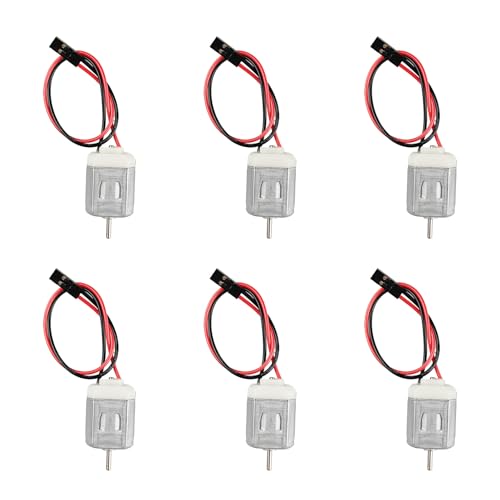
The Gikfun 130 micro motor is a low-voltage option rated for 1.5V to 6V, with a common suggestion around 3V for stable operation. The motor body is a compact 4×8 mm, and a 150 mm wire harness is usually included to ease integration into small builds. This motor is often used to drive miniature propellers or gear assemblies in STEM kits and compact drones, enabling light payloads and rapid throttle response.
Key considerations:
– Works well with small propellers and lightweight frames.
– Ensure the power supply can reliably deliver current without voltage sag.
– Wire length and insulation impact ease of wiring in tight builds.
ALMOCN 615 Coreless Motors Pack

The ALMOCN 615 coreless motors deliver a balanced blend of efficiency and power output, with a 15 mm diameter and 20 mm length. This size suits mid-sized drones that require stronger thrust without excessive weight. The listing notes a JST-1.25 connector, which simplifies integration with typical RC flight electronics, and emphasizes the motor’s potential for stable performance in UAVs and robotic platforms. The motors’ high energy conversion is highlighted as a benefit for mobility in UAV applications.
Key considerations:
– Match with suitable propeller sizes to maximize thrust and control.
– Check mounting compatibility and available accessories (screw holes, mounts).
– Consider the motor’s weight-to-thrust ratio for overall flight efficiency.
Buying Guide: Key Purchase Considerations For Drone DC Motors
- Voltage compatibility: Ensure your power train (battery, ESC, and flight controller) can supply the motor’s rated voltage without excessive sag or overheating.
- RPM and thrust: Higher RPM can yield more thrust but may require larger propellers or heavier frames. Balance motor RPM with frame weight and desired flight characteristics.
- Size and weight: Smaller motors save weight but may deliver less thrust. Bigger motors tolerate heavier props and payloads but add weight that affects efficiency.
- Mounting compatibility: Check shaft diameter, mounting holes, and overall dimensions to fit your frame without modifications.
- Propeller pairing: Use matched propellers designed for the motor’s KV or RPM range to avoid overcurrent and heat buildup.
- Durability and heat management: Look for motors with robust casings and consider cooling strategies for sustained flights.
- Connection standards: JST or similar connectors simplify wiring but ensure compatibility with your ESC and battery harness.
- Support and availability: Motors with readily available spare parts (bearings, shafts, props) reduce downtime during builds.
- Application scope: For micro drones, prioritize lightweight coreless motors; for larger configurations, consider brushed or coreless variants with higher current ratings.
When evaluating options, map your flight goals to motor specifications: endurance-focused builds benefit from efficient coreless designs and appropriate propellers, while high-mobility or acrobatic drones require higher thrust and precise ESC control. Always test under safe, controlled conditions and balance power-to-weight to optimize flight stability and battery life.