Best Camera for RC Airplane: Top FPV Cameras for Stable Flights
Whether you’re chasing tight races or capturing sweeping aerial footage, a reliable FPV camera is essential for RC airplanes. This guide highlights five high-quality cameras designed for steady, low-latency video and clear visibility in the cockpit. Each option includes compact design, wide viewing angles, and easy installation to fit a variety of airframes. Explore how these cameras perform under race conditions, in windy weather, and during precision maneuvers to help you choose the right fit for your aircraft.
| Product | Brand | Lightweight / Size | Resolution / View |
|---|---|---|---|
| Readytosky 1200TVL FPV Camera | Readytosky | 22mm x 22mm | 1200TVL, 2.5mm lens |
| STARDRONE 1200TVL FPV Camera | STARDRONE | Cast micro form factor | 1200TVL, 1.8mm lens, 160° |
| RunCam 6 4K FPV Action Camera | RunCam | Compact action cam with WiFi | 4K FPV, EIS, GyroFlow |
| RunCam FPV Camera Robin 3 | DashRC | Micro camera, light | 1200TVL, 150° FOV |
| RunCam FPV Camera Nano 2 | DashRC | Ultra-light micro | 700TVL, 170° FOV |
Readytosky 1200TVL FPV Camera
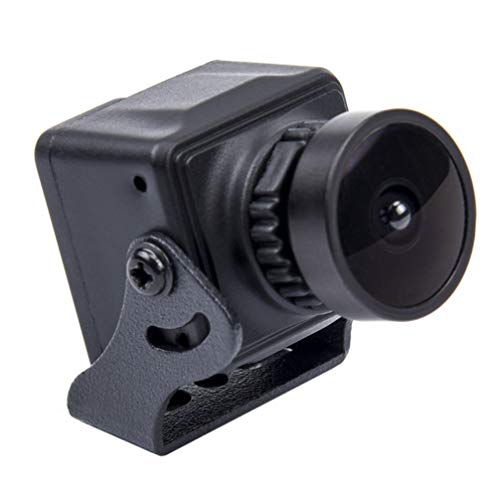
The Readytosky FPV camera delivers 1200TVL resolution for crisp video with a compact 22mm x 22mm footprint. It uses a 2.5mm lens and a CMOS sensor to balance field of view with edge detail, making it suitable for tight canopy flying and close-quarters maneuvers. Lightweight design supports rapid installation on a variety of RC airplane frames, reducing added weight while preserving performance.
STARDRONE 1200TVL FPV Camera

The STARDRONE option weighs about 2.5g and features a 1.8mm lens with a 160° field of view. Its ultra-light form factor minimizes impact on flight characteristics, while the 1200TVL sensor provides clear obstacle detection and navigation during high-speed passes and tight turns. It covers both FPV drones and fixed-wing airframes, making it a versatile pick for mixed-use setups.
RunCam 6 4K FPV Action Camera

The RunCam 6 is a 4K FPV action camera with built-in WiFi and HDMI output. It supports EIS and GyroFlow stabilization to deliver smooth footage even during gusty conditions. The model is well-suited for capturing longer flights, high-speed passes, and aerial stunts, providing reliable stabilization to keep footage steady through rough air and rapid pivots.
RunCam FPV Camera Nano 2

The Nano 2 from RunCam (DashRC) offers 700TVL resolution with a wide 170° field of view using a 1.8mm or 2.1mm lens option for expansive cockpit awareness. It includes automatic adjustments like Auto D-WDR and Auto Gain Control to maintain image clarity in variable lighting, making it a strong choice for micro airframes and lightweight sport planes where weight savings are critical.
RunCam FPV Camera Robin 3

The Robin 3 camera from RunCam (DashRC) provides a wider vertical perspective with a 1/3″ CMOS sensor and 150° FOV. Its sandwich-style housing enhances durability and dust protection, while the universal RunCam 6-pin interface enables flexible parameter adjustments through the menu. This camera is designed to improve situational awareness during complex FPV flights and competitive racing.
BEZGAR Brushless RC Plane With Camera

The BEZGAR RC Plane combines a brushless motor with an integrated camera system. It targets beginners and intermediate pilots, offering stable flight performance with a 6-axis gyro and LED navigation lights. The camera setup is designed to deliver a balanced FPV experience for hobbyists exploring aerial photography and light aerobatics, while maintaining approachable flight characteristics for new pilots.
Buying Guide: Key Considerations For RC Airplane Cameras
- Resolution and clarity: Higher TVL (e.g., 1200TVL) yields crisper imagery for obstacle detection and navigation in fast flight.
- Lens and field of view: 1.8mm or 1.5–2.5mm lenses commonly provide wide views (120–170°); consider whether you need more peripheral awareness for tree avoidance or tighter tracks for racing.
- Weight and size: Micro and ultra-light cameras reduce impact on pitch, roll, and overall stability—critical for small RC airplanes and micro quads used as explorers or racers.
- WDR and exposure features: Auto D-WDR and Auto Gain help stabilize visibility in changing lighting, such as shadowed canyons or bright sun glare on the wings.
- Video stabilization: Electronic Image Stabilization (EIS) and GyroFlow support smooth footage during aggressive maneuvers, reducing blur in fast flights.
- Connectivity: Some cameras offer WiFi for quick previews, while HDMI outputs enable real-time viewing on larger displays or ground stations.
- Durability: Durable housings and dust-resistant casings extend life in rugged environments, including outdoor racing or field testing.
- Compatibility: Ensure the camera’s connector and frame compatibility align with your airframe’s video transmitter, power setup, and canopy space.
When selecting a camera for an RC airplane, balance weight, field of view, and image quality with the aircraft’s intended role—racing, freestyle, or scenic flight. Micro airframes require lighter, low-profile units, while larger planes can accommodate higher-resolution cameras with robust stabilization. Consider testing the camera with different lens options if you plan to fly in varied environments or lighting conditions. Finally, ensure the installation preserves balance and center of gravity for predictable handling, and verify that the power draw aligns with your power system to avoid flight inefficiencies.