Best Books to Learn How to Fly an Airplane
Choosing the right books can help aspiring pilots understand flight theory, aerodynamics, and aviation basics. This article features five beginner-friendly titles that cover how planes fly, what it takes to obtain a pilot’s license, and practical steps for getting started in aviation. Each entry includes key features to compare, narrative style, and target age or experience level to help readers pick the most suitable guide.
| Title | Author/Brand | Format | What It Covers |
|---|---|---|---|
| A Beginner’s Guide to Aviation: How to Become a Pilot in the United States | Author: Various | Paperback / Kindle | Foundations of flight training, licensing steps in the U.S., career overview |
| How Do Airplanes Fly? | Kush Sutaria; Julia Listeca | Hardcover / Paperback | Basic aerodynamics, airplane components, flight principles |
| Learn How to Fly an Airplane: (And Get Your Pilot’s License!) | Kurt M. Wicks | Paperback / Kindle | Step-by-step licensing process, practical tips for beginners |
| How To Be A Pilot: And Everything Else About Planes and Flying For Kids | Phil Jay | Picture book / Children’s | Introductory concepts for younger readers, engaging visuals |
| How Do Planes Fly: A beginner’s guide to how planes work | Stephen Walmsley | Paperback | Plain-language explanation of flight mechanics for beginners |
A Beginner’s Guide To Aviation: How To Become A Pilot In The United States

This title serves as a practical entry point for readers curious about becoming a pilot in the United States. It outlines licensing pathways, training requirements, and aviation career considerations while presenting foundational concepts in accessible language. The book’s scope makes it suitable for adults exploring aviation as a hobby or a potential career path. Key features include an overview of flight schools, exam preparation, and cost considerations that shape early steps in pilot training.
How Do Airplanes Fly?

Co-authored by Kush Sutaria and Julia Listeca, this book breaks down the science behind flight into clear, engaging explanations. It covers aerodynamics, lift, drag, thrust, and stability in a way that’s approachable for beginners. The illustrated elements and concise chapters help readers visualize how planes stay aloft, how different aircraft designs affect performance, and what everyday pilots monitor during flight preparations.
Learn How to Fly an Airplane: (And Get Your Pilot’s License!)
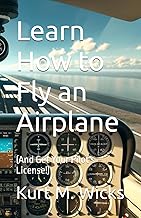
This guide emphasizes practical steps toward earning a pilot’s license, making it useful for readers who want a structured road map. It covers study resources, training milestones, and what to expect in flight school. The author presents licensing processes in plain terms, along with safety considerations and scenarios that prospective students commonly encounter during early training.
How To Be A Pilot: And Everything Else About Planes and Flying For Kids

Designed for children aged 5 to 12, this title introduces planes, pilots, and basic aviation concepts with friendly language and colorful illustrations. It’s a helpful read-aloud or independent reading option for younger audiences curious about flight, helping to build early interest in aeronautics and STEM topics.
How Do Planes Fly: A beginner’s guide to how planes work

Part of a kid-friendly Flight School Series, this book presents a beginner-friendly tour through flight mechanics. It explains the basics of how wings generate lift, what gives airplanes their shape and stability, and how propulsion affects speed and handling. The conversational tone and accessible diagrams support early readers and curious minds exploring aviation basics.
Buying Guide
Key purchase considerations for choosing beginner aviation books include readability, target age, and depth of content. For adults seeking a practical licensing pathway, look for titles that outline step-by-step training, required certifications, and real-world tips for selecting flight schools. For younger readers, opt for visually engaging books with simple explanations and colorful illustrations. Nonfiction reliability matters; prefer titles that present aviation terminology clearly and avoid overly sensational claims. Consider supplementary resources like glossaries, diagrams, and practice questions to reinforce learning. Finally, assess the book’s update status to ensure current licensing procedures and aviation standards are reflected.
When comparing these five options, readers gain a spectrum of perspectives: foundational science (How Do Planes Fly? and How Do Planes Fly: A beginner’s guide), licensing pathways (A Beginner’s Guide To Aviation and Learn How to Fly an Airplane), and kid-friendly introductions (How To Be A Pilot and How Do Planes Fly: Kids Edition). Depending on goals—hobbyist curiosity, formal training prep, or early education—each book offers distinctive value. Consider starting with a broad overview and then delving into the more technical titles as interest deepens.